Treasure of the Week no. 34: Holroyd’s almanac for 1864 – and the morals of Bradford. From Cab Fares and Public Baths to Thumps and Rushbearings

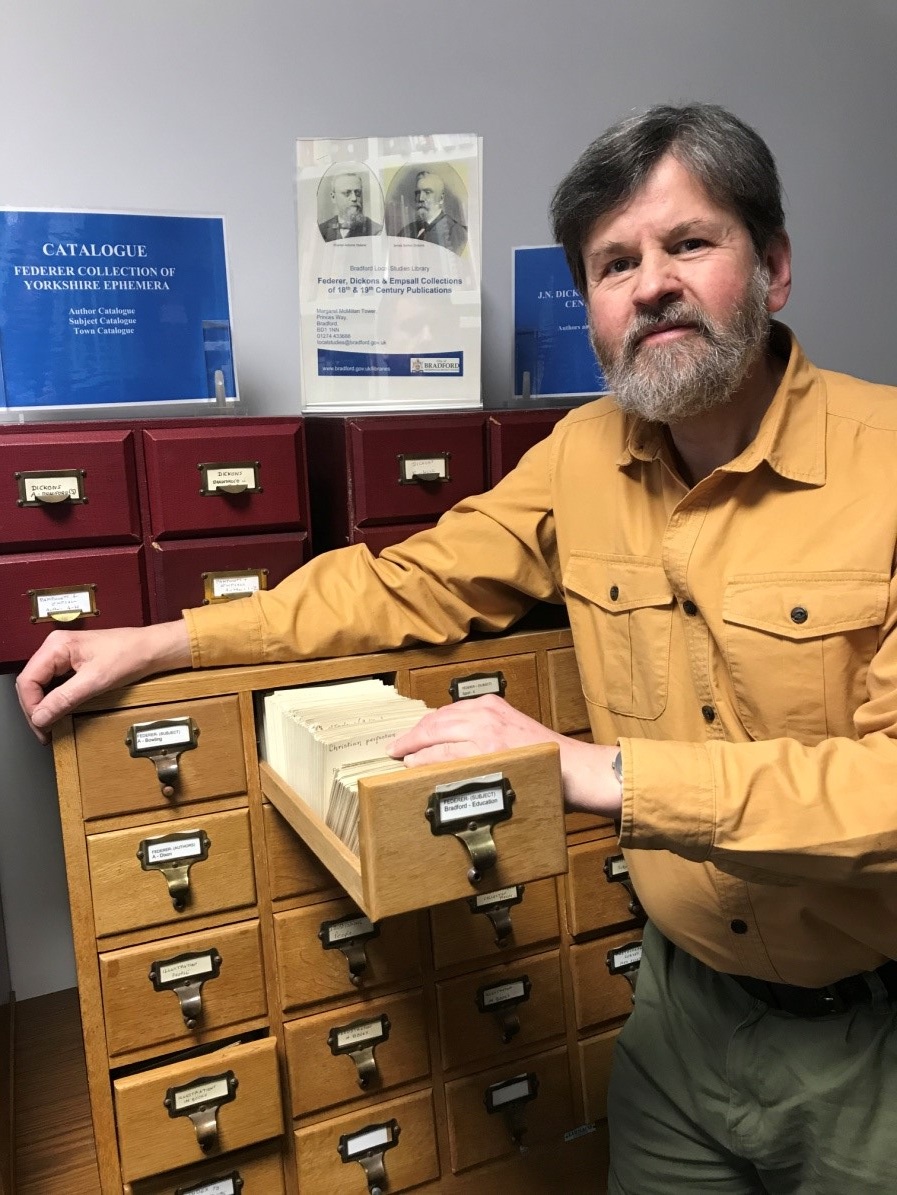
In the basement of Bradford’s Local Studies Library are collections of nineteenth century pamphlets (and some of earlier date). Ranging from sermons and programmes of royal visits, to reports, articles, obituaries and regulations, they are a treasure trove of local history. What follows is an account of one of these treasures.

Holroyd’s Historical Almanac for the Year of Our Lord 1864. Published by Abraham Holroyd, Bookseller & Stationer, Bradford. 32 pages (Reference: JND 130/11)

Almanacs (or ‘almanacks’) were popular in the mid-to-late nineteenth century. These annual compilations of local information, often produced by local newspapers, contained a rich mixture of facts: astronomical, calendar, national, local, political, legal, administrative and sometimes hints and anecdotes. The following from the contents pages of Holroyd’s 1864 Almanac is typical:

Phases of the Moon -1864; Eclipses – 1864
Stamps, Duties, Receipts, Agreements, etc.
Rates of Postage, Inland and Foreign
Money Orders, etc.
Telegraph Companies
Delivery and Departure of Mails
Bradford Post Office Regulations
Parcel Offices
List of Fairs, Feasts, Tides, Thumps and Rushbearings

THE CALENDAR with page per month noting:
The Flower Garden
Sundays
Festivals, and Memorable Events
Rising and Setting of the Sun and Moon

The Kings & Queens of England
The Queen and the Royal Family
Her Majesty’s Government: the Cabinet
Present MPs for the West Riding.
MPs from the Borough of Bradford
The West Riding Magistrates
The Borough Magistrates
Special Sessions
Morality of the Borough of Bradford
Bradford County Court Information
Public Business and Borough Regulations
Banks and Bankers in Bradford
Former Mayors in Bradford
The Bradford Town Council
Committees of the Town Council
Officers of the Corporation
Borough Police Department
Borough Coroner
Inspector of Weights and Measures
Board of Guardians, Bradford Union
Overseers and Collectors of Poor Rates
Relieving and Medical Officers
Public Baths
Registrars of Marriages, Birth and Death
Cab Fares in Bradford
Proverbs and Wise Sayings
The Principal Hotels in Bradford
Temperance Hotels and Boarding Houses
Commercial Dining Rooms
Eating Houses

All human life is here, or a lot of it. Anyone wanting to know what life was like in the past would do well to quarry these yearly almanacs. Absent in this one are descriptions of the towns and village covered by the publication, but we learn that there were three temperance hotels in Rawson Place; that Bradford’s MPs were Henry Wickham and W. E. Forster; that hackney cab fares were a shilling for up to a mile, thence six pence a mile and that the Post Office opened at 7 a.m. (7.30 in winter).

Ah! But what about the ‘Morality of the Borough of Bradford’ as noted in the Contents above? Well:

Number of Constables 119
Known Thieves 91
Receivers of Stolen Goods 5
Prostitutes 151
Suspected Persons 114
Vagrants 491
Houses of Bad Character 5
being Public Houses 20

Brothels 58
Tramps’ Lodgings 45
Crimes Committed 247
Apprehensions 170
Committed for Trial 84
Burglaries 3
Breaking into shops 29
Highway Robbery 4
Laceny 173
Offences against the Person 5
Drunkeness 162

The meaning of some of these headings will have changed over the last century and a half, and also how crimes are allocated to headings, but it is clear that the Borough police force and the courts had plenty to do.
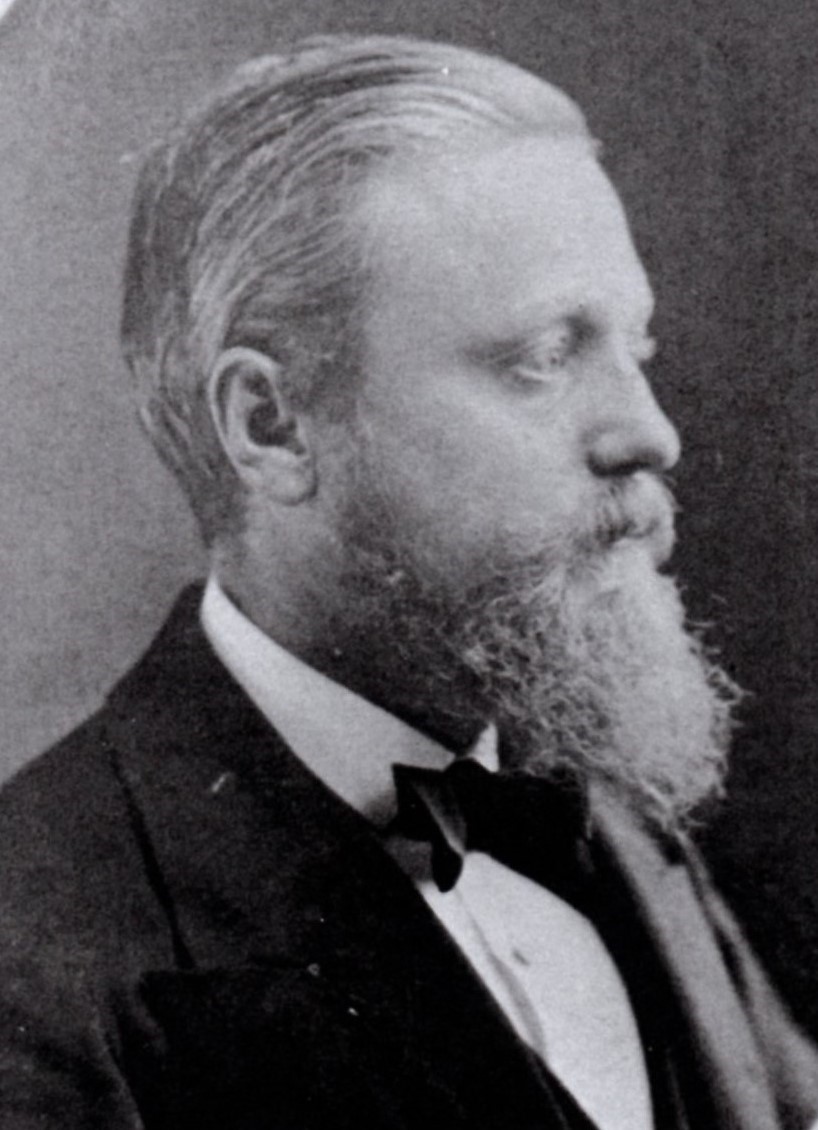
Compiler of the Almanac, Abraham Holroyd, was born in Clayton in April 1815, one of four children. His parents were both handloom weavers and the family were very poor. Self-educated, Abraham joined the army and saw service in Canada, hunting down rebels. He bought himself out of the army, settled in New Orleans, and married. After eight years in North America, Holroyd returned to England, setting up in business as a stationer and bookseller in Bradford’s Westgate. With the assistance of Titus Salt, Holroyd published a number of books on local history and become well-known in literary circles. He died in 1888.
We conclude this peek into 1864 Bradford with some entries from October:

  1. Sudden death in Bolton Road, Bradford, of John Howard, the pedestrian’
    Fire at Bank Mill, Morley, occupied by Mr. James Bradley; damages £2000.
    Luke Knowles, 24, carter, of Bingley, drowned by falling into the Bradford Canal at
    Spinkwell Locks.
    Gale on the East Coast and loss of life.
  2. Mortality of Bradford for the week ending this day, 90.
    William Frankland, 7. Of Lidget Place, Great Horton, killed by being run over by a
    contractor’s cart, in Beckside Road.
    Opening of a new school at Low Moor, erected by the Low Moor Company.
  3. Opening of new Independent Chapel and schools at Little Horton.
    18 John Egan, labourer, killed by being run over on the Midland Line, near Shipley.
    A resolution passed at the West Riding Sessions at Wakefield, pointing out the evils
    caused by the great increase of grocers’ drink licences, and asking that the
    magistrates should have the same control over those licences as they have over
    others.
    Laying of the memorial stone of a new United Methodist Free Church at Morecambe.
  4. Death of Professor Wheatstone, the inventor of the electric telegraph.
  5. Samuel Waite, lately manager of Messrs. W. H. Smith & Son’s bookstall at Keighley
    Station, sentenced at the West Riding Sessions to six month’s imprisonment for
    embezzling the moneys of his employers.
    Heavy gales and floods throughout England and Scotland.
  6. Opening of the winter campaign of the Liberation Society by a large meeting in St.
    George’s Hall, Bradford; addresses by Messrs. R. W. Dale and J. G. Rogers.
  7. Further gales and floods in the North and Midland Counties; great loss of life and
    destruction of property.
  8. Mortality at Bradford for the week ending this day, 102.
    The body of Henry Taylor, shoemaker of Cleckheaton, found in Bowling Tunnel
    Laying of the memorial stone, by the Rev. J. G. Miall, of the new Greenfield
    Congregational Chapel, Lumb Lane, Bradford.
  9. Visit of the Royal Italian Opera Company to Bradford.
  10. Explosion of an ammonia still at Messrs. T. Illingworth & Co’s chemical works, Frizinghall.

Stackmole

‘Gentleman Jack’ and a first same-sex wedding ceremony

In this LGBTQ+ History Month, we celebrate the life and love of one of Yorkshire’s greats, Anne Lister of Shibden Hall and the first person in the Yorkshire area to have a same-sex wedding ceremony in 1834.

Anne Lister (1791-1840) was part of the famous mill owning Lister family of Bradford and as such was related to Samuel Cunliffe Lister of Manningham Mills.  Anne, however, lived at Shibden Hall, Halifax where that branch of the Lister family had lived since 1615.

Anne was not born at Shibden but moved there as a child to live with her aunt and uncle. She became co-owner in 1826 and, following the death of her brother, inherited the estate in 1836. She became a keen businesswoman, undaunted by the sometimes openly hostile male chauvinism in her local business and political world, and was an adventurous traveller abroad.  She was also the only woman co-founder of the Halifax Literary and Philosophical Society.

Anne Lister assiduously wrote diaries and journals, 24 in number. They listed her daily social, political and business life and travelling exploits but at least one sixth of them were handwritten in code. This coded text later revealed the extent of Anne’s romantic affairs and sexual encounters with women, when they were finally decoded from a mixture of Greek letters, numbers and symbols. Apparently, it was not until the women’s liberation movement of the 1970s and 1980s that it was felt that uncensored editions of her sometimes explicit diaries could be published (Gentleman Jack:  a biography of Anne Lister by Angela Steidele, p.Xi)

Diary extracts and samples of code can be viewed on the excellent web pages of the West Yorkshire Archive Service, that hosts a full exhibition about this remarkable woman, please follow this link:

http://wyorksarchivestreasures.weebly.com/the-diaries-of-anne-lister.html

In 1832, Anne Lister struck up more than her earlier acquaintance with Anne Walker (1803-1854) who, through inheritance with her sisters, had become joint owner of the neighbouring substantial Crow Nest Estate in Halifax. The two Annes became lovers and exchanged rings on 27 February 1834. However, it was on Easter Sunday, 30th March 1834 that they sealed their union when they took communion together in Holy Trinity Church, Goodramgate, York. This building now displays a commemorative rainbow plaque.

https://www.yorkpress.co.uk/news/16377725.rainbow-plaque-unveiled-holy-trinity-church-goodramgate-york/

Anne Walker and Anne Lister lived together as a married couple at Shibden Hall and also travelled a great deal. It was on one of their journeys in Georgia in 1840 that Anne Lister died. She was only 49 years old. Sadly, Anne Walker, who had always suffered with mental health problems had a severe relapse and was removed to York from Shibden Hall in 1843 having been declared of ‘unsound mind’.  Although she returned to Shibden, she later moved back to her family’s estate Cliffe Hall in Lightcliffe,  where she had been born. She died there in 1854.

There is a wealth of material online about Anne Lister, her life and diaries,  Anne Walker, Shibden Hall and about the making of the most recent television series Gentleman Jack, filmed in Halifax and using Bradford popular film locations, and now into the filming of a second series. Bradford Council also has a number of events to celebrate LGBTQ+ History Month.  Please follow the links below.

Gina Birdsall, Keighley Local Studies

Events in Bradford this month:

https://www.bradford.gov.uk/arts-and-culture/whats-on-in-bradford-district/lgbtqplus-history-month-2021/

To borrow (hard copy or ebook) the acclaimed book that the TV series inspired, Gentleman Jack A Biography of Anne Lister: Regency Landowner, Seducer & Secret Diarist by Angela Steidele, translated by Katy Derbyshire (Serpent’s Tail, 2019)

https://capitadiscovery.co.uk/bradford/

The diaries:

http://wyorksarchivestreasures.weebly.com/the-diaries-of-anne-lister.html

https://www.bbc.co.uk/programmes/articles/3QT2z16RXhfxSDn1mrbRNVp/the-real-diaries-of-anne-lister

Shibden Hall:

https://museums.calderdale.gov.uk/visit/shibden-hall

Filming the series in Yorkshire:

https://www.thetelegraphandargus.co.uk/news/18938555.gentleman-jack-filming-bingley/

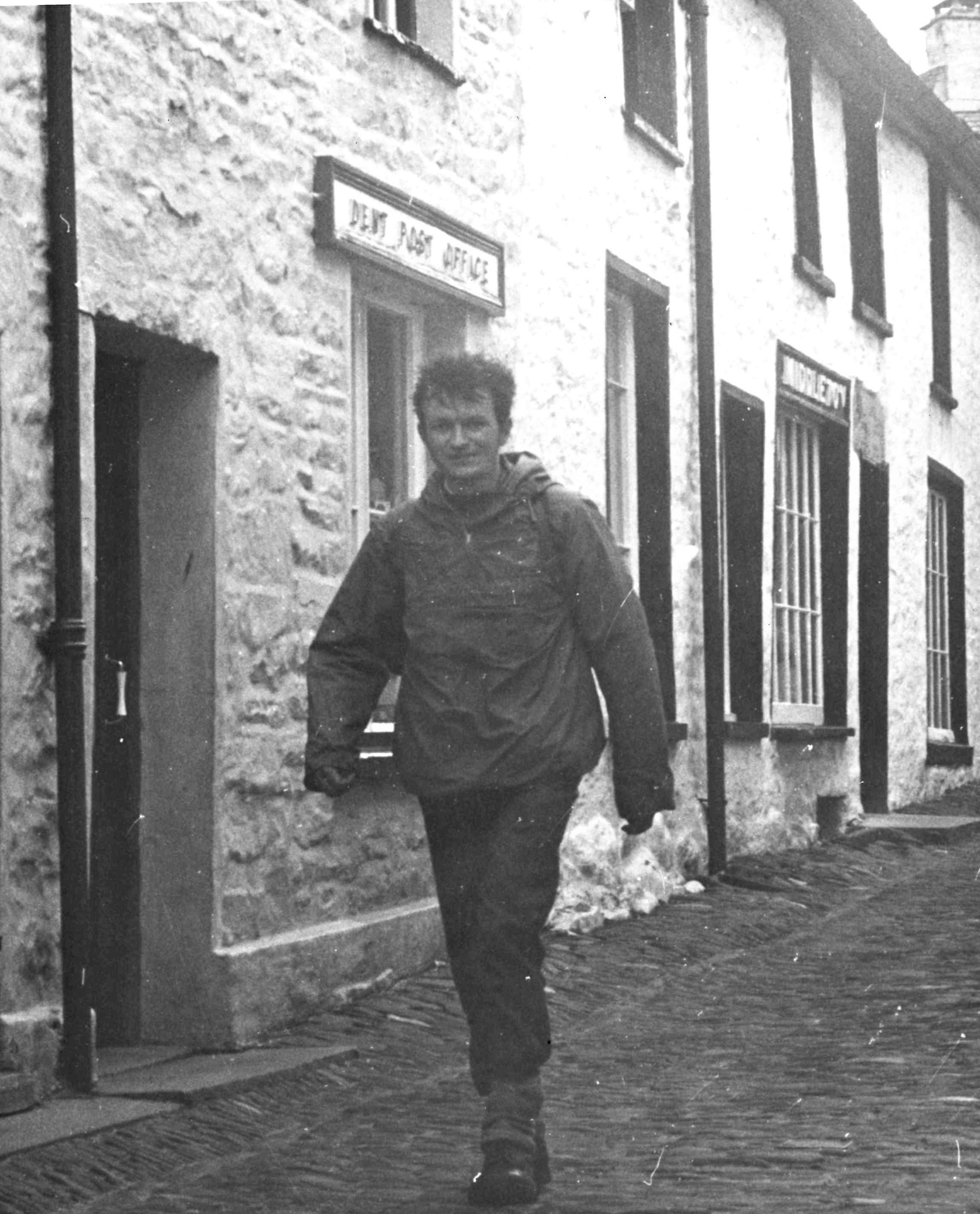
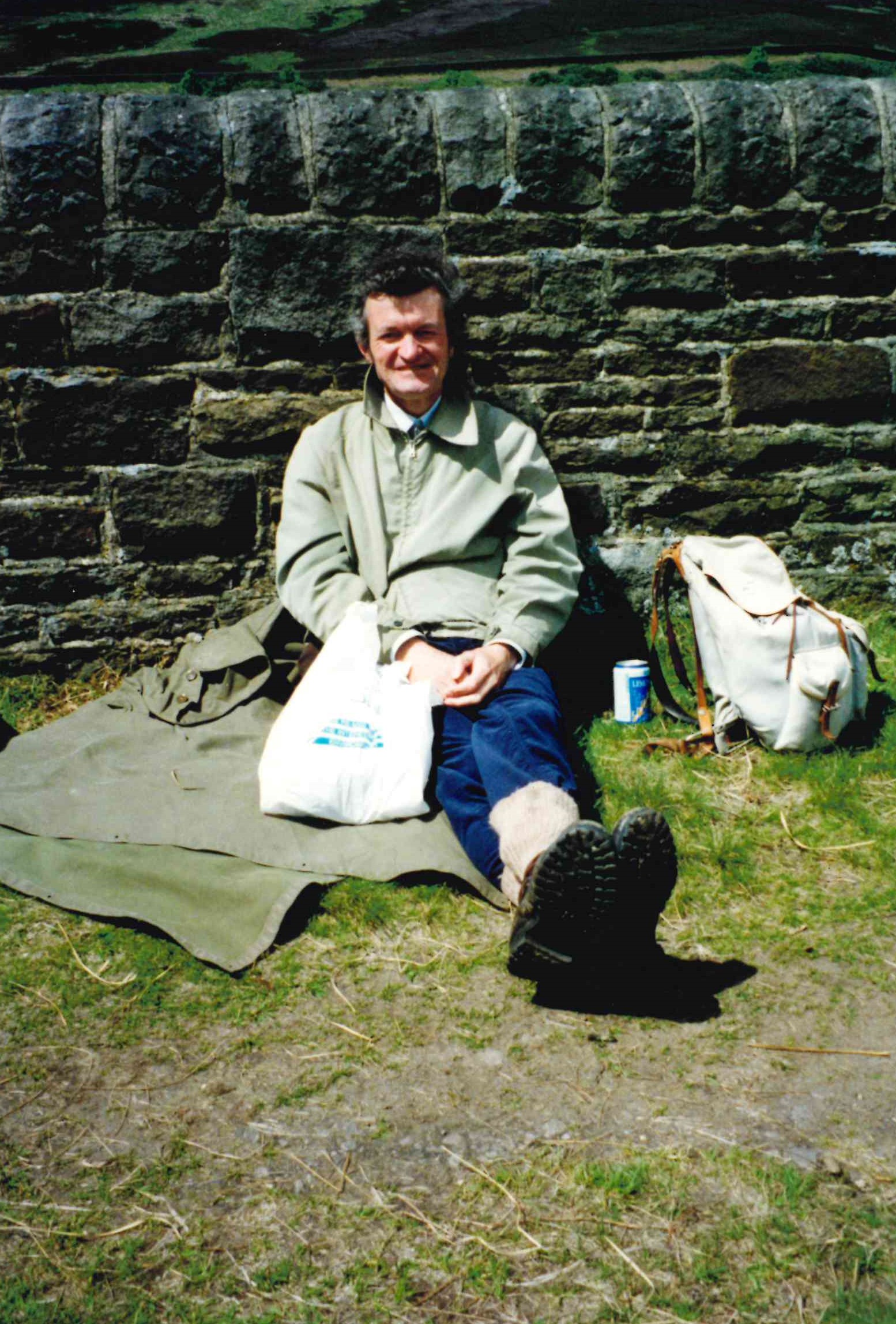
A Walk With Sidney Jackson #7

We are very pleased to continue with the series of articles by local historian Derek Barker.

Derek wrote in his introduction:

‘When Sidney Jackson was keeper of Archaeology, Geology and Natural History at Cartwright Hall he edited a subscription journal called the Archaeology Group Bulletin. Although compiled over 50 years in the past it can still be read with interest today. I am impressed by the quality of both articles and the correspondence.’

A walk with Sidney Jackson #7

Sidney Jackson inhabited a totally different world to that of present-day archaeologists. A world in which boy-scouts could excavate caves, and amateur collectors amass large numbers of ancient objects. A world where cruck-built barns, querns, and lengths of Iron Age walling would occupy the thoughts of museum curators for months on end, and the museum service of the City of Bradford would actually spend good money to identify the rocks, potsherds, clay pipe bowls, and coins brought back by its citizens from summer holidays, or turned up in their allotments.

However, in many respects, SJ’s views on investigating and exploring the past were quite modern. In the November 1966 edition of the Archaeology Group Bulletin he tried to promote the concept that those who wished to be involved in archaeology should first learn what could be seen above ground. Members of the public had approached him when they wished to be involved in ‘digging’. SJ tried to explain that dry stone walls in this area were very worthy of study. Many dated from the application of Enclosure Acts to areas of local common land. But some include earth fast boulders or orthostats which might have been as old as the Iron Age. The materials subsequently built into such walls has included: querns, carved heads, mortars, bricks, iron making slag, fossils, and a variety of glacial erratic cobbles. All are well-worth identifying and may well contribute more to our knowledge than yet another Roman coin of a common series.

Although even SJ had his limitations. He once hurriedly arranged a party to excavate a stone circle noted in the woodland between the Hirst Wood and Nab Wood Cemetery, Shipley. His group removed the brambles and other plants growing over the small boulders that formed the circle, but it was soon evident, from the looseness of the boulders, that they had not been in position since prehistoric times. Eventually they came to a hearth made of bricks imprinted with ‘G. Heaton, Shipley’, and it was then pointed out the corners of what had been a square or rectangular hut. It seemed that children in playing on the site had used material from this building to make a small circular enclosure.

While the result of the afternoon’s work was a disappointment to the participants for those of us interested in Victorian industry for several years it was the single piece of evidence that George Heaton, who operated a coal mine at the Shipley end of Heaton Woods (c.1845- c.1875), made bricks too and marked them with his own name. Eventually one of the bricks was spotted at Goitside confirming Sidney Jackson’s observation, but I have never seen another. Derek Barker, Local Studies Library Volunteer

The Bradford Antiquary 2020

Despite having to abandon their 2020 programme of meetings and visits due to the Coronavirus, the Bradford Historical and Antiquarian Society have been able to produce their annual journal, The Bradford Antiquary. Copies are now available in several of our libraries. 

The contents of this 81st issue are:

From Donkey-Boy to Oxford Don: the childhood of Dr Joseph Wright of Thackley
by Christine Alvin.

The Birds and the Beasts. Text of a 1830s tract on the ‘Factory Question’.

We Can Take It Again’ by Norman Alvin. On a wartime air raid

‘No food or fire – decent people’: Bradford during the first national coal strike of 1912
by Derek Barker and Jane Wheeler.

Bradford in Fiction by Astrid Hansen. Bradford through the eyes of Willie Riley, J B Priestley, John Brain, A A Dhand and others.

Some Empsall Treasures A selection of topics from the library’s collection of 19th century pamphlets ranging from Homeopathy and the Henpecked Husbands’ Club to the Disorders of Horned Cattle and Spirit Writings! A window into a Bradford long gone.

W E Forster and the 1870 Education Act by Dave Welbourne

A Shelter for the Cabmen of Bradford by Laura Bird of The National Tramway Museum

The Ancestry of the Phoenix Dynamo Company, Thornbury by Gina Bridgeland

Rural Tanners in late 16th and 17th century Bradford by G D Newton

Book Reviews

Society News

Going back to 1882, The Bradford Antiquary provides an unrivalled history of Bradford, Keighley and the West Riding. The Editor, David Pendleton, is always pleased to receive ideas for, and submissions of, possible articles (davidpendleton1@gmail.com).

Further Information about the Society can be found on the society’s website: www.bradfordhistorical.org.uk

Christmas Capers of Yorkshire Past

Department Store Christmas

Arrival of Father Christmas, Busbys’, Manningham Lane, Bradford
C.H. Wood, (Bradford Museums’ Photos)


The first purpose built department store in England was Brixton’s Bon Marché opened in 1877.
https://www.brixtonbuzz.com/2018/03/brixton-history-bon-marche-department-store-in-the-edwardian-sun-and-the-straw-boater-riot/
It was not until the end of the 19th Century that electric lighting was common in shops and with that came some wonderful Christmas lighting. Busbys’ department store was founded in 1908 (merging with Debenhams in 1958) and over the succeeding 70 years became one of the most popular shops in Yorkshire. At Christmas, Busbys’ Santa’s grotto was a must visit for many families in the Bradford district. The following quotes are taken from Busbys’ A Shop Full of Memories by Michael Callahan and Colin Neville (Bradford Museums, Galleries & Heritage, 2008).

“I was chosen to be ‘Little Red Riding Hood’, and I felt very proud to be doing this. The day the Grotto opened we started out for Busbys’ on a big flat lorry from Dockfield, in Shipley. There was Mother and Father Christmas and their fairy, and myself in the lorry, and we were joined by some of the Hammond Sauce Band and they played Christmas songs and carols along the route. We had a big bags of sweets, and all along Manningham Lane there were children and mothers just lining the road and we threw sweets to them all along the way; it was such a big event. In the Grotto I had my own little sweet shop and talked to the children while they were waiting to see Father Christmas. The Grotto was so big; it was never-ending! There was a lot to see – and it was magical. Dorothy West”
p.70

“As the electrician at Busbys’ from 1972-75 I have great memories of the family atmosphere there. The highlight and privilege was wiring all the working models and fairy lights for the Grotto. Seeing the children’s faces from behind the scenes was magical. Keith Brown” p. 71

Father Christmas’s Grotto, Busbys’ Department Store, Bradford
C.H. Wood, (Bradford Museums’ Photos)

“My memory is being taken to see Santa Claus when very small. My memory is a huge display of lights and tinsel and magic. We had to walk down paths and over bridges, pull strings, and glitter snowed down on us. It seemed as though we walked for ages before we saw Santa… that walk and the magic has never been equalled in any display since. A.Wallace” p.59

‘I must have been the only child who didn’t enjoy the visit to Santa’s Grotto. I was aged about 3, and when we finally reached Santa he said, “what do you want little girl” I replied, “I want to get out of here!” Anonymous, p. 61

Mill Christmas

Messrs. Heatons’, Keighley, decorated for peace celebrations, 1918 (Keighley Local Studies)

Many textile mills decorated workplaces, and even some machinery, for royal events but also for Christmastime:

‘We would buy a few packets of crimped paper, which we cut and made into streamers to decorate the room at the mill. We would have a walk round at dinner time to see the other rooms and decide which we liked best. As Christmas drew near there was always someone singing carols during meal-times. Someone would start “Hark the herald angels sing” or “While shepherds watched”, and soon it was taken up by another and another, till soon almost everyone had joined in. It was in the mill that I was introduced to Handel’s Messiah. Most of the mill workers, if they could sing, would be taking part in the Messiah at their own places of worship. They put in a bit of practice while working.’ Picking up Threads Reminiscences of a Bradford Mill Girl by Maggie Newberry (Bradford Libraries, 1993), p. 52

At Christmas we’d take some sherry and mince pies, and happen a Christmas cake, and have a break for about an hour in the afternoon. The weavers, you could hear them going mad, but we weren’t with them, we just sat round our mending tables and had us own bit of fun. We never went in any other part of the mill at all.’ Woman.  Born 1915 From Textile Voices A Century of Mill Life by Tim Smith and Olive Howarth, BHRU (Bradford Arts, Heritage & Leisure, 2006), p. 115

Salt’s Mill (Saltaire) Limited, final Christmas party for the burling and mending department, (n.d.) BHRU, (Bradford Museums’ Photos)

Artists’ and Writers’ Christmas

David Hockney: One Tuesday afternoon in December 1951 three boys from Bradford Grammar School boarded the trolley bus. The three, namely Hockney (David), Taylor, M.S. (later Oxford University scholarship), and Dixon, M. (minor), had all been subjected to a ‘half Tuesday’ – detention – for a variety of misdemeanours. It was decided a visit to Busbys’ to see Father Christmas and the grotto was in order. We joined a long queue. After what seemed like hours we finally arrived at the head of the queue. Alas! We were approached by a very imposing commissionaire in uniform complete with bristling moustache who enquired ‘where were our parents?’ On being informed they were at home he said ‘sorry, but we could not see Father Christmas’. He politely showed us the Emergency Exit and kicked us out! On the wall immediately opposite was the famous Busbys’ sign with the marching guardsmen and the slogan ‘The Store with the Friendly Welcome’. The now world famous David Hockney was heard to mumble ‘some friendly welcome!’ “ Michael Dixon  in Busbys’  A Shop Full of Memories by Michael Callahan and Colin Neville (Bradford Museums, Galleries & Heritage, 2008) p.71. See also https://capitadiscovery.co.uk/bradford/items?query=the++Hockneys

Charles Dickens: On 28th December 1854, ‘Mr Christmas’ himself, Charles Dickens (author of such Christmassy works as A Christmas Carol, Pickwick Papers and The Chimes) read from his works to a packed audience at the new St George’s Hall in Bradford. Special trains were put on for journeys to Halifax and Huddersfield, such was the popularity of the event. However, for some female members of the audience, the evening might not have turned out quite as Dickens had initially promised, that is like “a small social party assembled to hear a tale told round the Christmas fire…” because, as a skilled actor, his dramatic readings of the violent murder of Nancy in Oliver Twist, for example, had been known to cause women in the audience to swoon into a dead faint.

https://www.thetelegraphandargus.co.uk/news/10898020.charles-dickens-entertained-st-georges-hall-audience-with-his-festive-tale/ https://www.bl.uk/collection-items/letter-about-a-performance-of-the-chimes-from-charles-dickens-to-his-wife-catherine-28-december-1854

Charles Dickens’s Mr Pickwick

J.B. Priestley: Much later in time, a great fan of Charles Dickens, a young Bradford born J.B. Priestley, who would frequently forego dinner to buy books, was said to have “spent one Yuletide with a chum at an old inn near Bradford where he smoked a church-warden pipe and tried a brew of punch”, in order “to sample Christmas very much as Dickens’s Mr Pickwick would have done.” (Rebel Tyke Bradford and J.B. Priestley by Peter Holdsworth (Bradford Libraries, 1994), p.45

https://www.bradford.ac.uk/library/special-collections/collections/collections/j-b-priestley-archive/

Nativity Christmas

Nativity play at Heaton Middle School, Bradford, BHRU, (Bradford Museums’ Photographs)

The school nativity has long provided a Christmas gift that keeps on giving to parents and teachers alike. Let’s hope that this year will be the only year that for many has to be watched only on film at home or not at all. If you have never seen or been part of one, Gervase Phinn gives some lovely and humorous accounts from his Yorkshire School Inspector days, such as at St Helen’s school where the teacher, Mrs Smith had asked the children to write parts of the Christmas story in their own words, one child read,

’The three kings were very rich and they wore beautiful clothes and had these crowns and things. They looked at the stars every night. One night one of the kings said, “Hey up, what’s that up there, then?” “What?” said the other kings.  “That up there in the sky? I’ve not seen a star like that one.” The star sparkled and glittered in the blue sky. “You know what?” said another king. “It means there’s a new baby king been born. Shall we go and see Him?” “All  right.”’

The narrator continued: ‘They shouted to their wives: “Wives! Wives! Go and get some presents for the baby king. We’re off to Beth’lem to see Him.” “OK,” said the wives.’ Head Over Heels in the Dales (Michael Joseph, 2002), p. 95  These books are available for loan, follow: https://www.bradford.gov.uk/libraries

Charity in Depression Christmas, 1932

Roberts’s Model Lodging-house, Leeds St, Keighley, c.1924, (BK36, Keighley Local Studies)

In 1861, Francis Middlebrook wrote, “Mother went to Keighley workhouse to see all the inmates get rum and tea”, the latter being donated by William Busfield Ferrand of St Ives. Keighley News 24 Dec 1982

In Keighley at the two lodging houses, Mr Edward Roberts, landlord, provided a ham and egg breakfast and an anonymous donor provided parcels of tea and sugar. Mr Roberts organised an annual fund and as a consequence each resident was also given free lodgings, tobacco and cigarettes on Christmas day. Each child in various Keighley institutions was also given a new shilling piece by a Mr Asa Smith. Keighley News 10 December 1982

Unruly Christmas

The Keighley Police Force in 1865, (Ian Dewhirst MBE archive)

Hearth and home in Victoria’s reign was not for everyone. With no regular police force yet, law and order in Bradford and Keighley was kept by Watchmen. In Keighley, there were 6 patrolling the streets.  One of these kept a diary between the years 1848-1853, now held in Keighley Local Studies Library archive (BK 309) and was called, James Leach. He had a very busy Christmas in 1848. In his diary he reported that at one o’clock on Christmas Day morning Mrs Wilkins’ Star Inn had “company in her house from 15 to 20 persons”. They were still drinking there at a quarter to three on Boxing Day.   On 27th December one Zyckriah Ashton was found in Cony Lane drunk and very ill. On the 28th December at one o’clock there was fighting at the Black Horse amongst a group of men and at two o’clock Mr Lapish of New Town was found drunk and disorderly. On the 31st , Samuel Smith, ‘comonley caled Mucky Sam’, ‘threw Patrick Waterhouse over the batlment at Damside a depth of 5 yards & cut & wounded im daingerousley’. The New Year started in a similar way…

War Time Christmas, 1939

Christmas war certificate for donations made. (BK10/683, Keighley Local Studies)

During WW2, Keighley people on the Home Front, as in other districts, did their best to provide “comforts” for those serving in the forces. They provided funds for recreational and rest huts. During November, four large bales of knitted woollen comforts were despatched to France, also to the Navy and Air Force. “Cigarettes, sweets, candles etc.,” were also sent. Firms such as Ward, Haggas & Smith; Clapham Bros., and Dean, Smith and Grace also had schemes to provide comforts as well as Christmas parcels to their work people serving in the Forces. Keighley News, 9 December 1939
For those Evacuees remaining in Keighley and the Worth Valley over the holidays, there was a large Christmas party on 4th January with a film show, community singing and a play. On other days, there were to be games in schools, walks and visits to museums and places of interest. Keighley News 23 December 1939.

Hospital Christmas

Keighley and District Victoria Hospital held regular children’s Christmas parties even during the war years. Ian Dewhirst noted that in 1943, the visiting Santa Claus was none other than Dr Joseph Chalmers, hospital surgeon. Nursing staff also performed a pantomime, “Boy Blue” and patients received presents from the Matron’s Christmas Fund and the Workpeople’s Collection Committee. Keighley News 21 December 2001.

World’s first ‘socially distancing’ cracker

Hawksworth Hall, 1961, C.H. Wood (Bradford Museums’ Photographs)

COVID Christmas 2020

Another shadow, another queue, hopefully we shall soon be on the bright side…….

Father Christmas at a works’ children’s party, 1955 C.H. Wood (Bradford Museums’ Photographs)

To join the library, borrow books and examine local 19thC newspapers using our online services from home, as well as gain free access to Ancestry and Findmypast, follow the link below:

https://www.bradford.gov.uk/libraries

See also Bradford Museums Photo Archives:  https://photos.bradfordmuseums.org/

http://www.bradfordhistorical.org.uk/everyone.html

Bradford’s Oral History collection is housed in Bradford Local Studies Library. It consists of 800 tape recorded interviews (also transcriptions) with local people’s memories including subject areas such as textiles, health, war, immigration to Bradford.

https://www.bradfordmuseums.org/venues/visit/bradford-industrial-museum

Other useful sites:

https://new.millsarchive.org/about-us/  traditional and modern mills’ repository of records and photographs

Gina Birdsall, Keighley Local Studies Library