Bradford Firsts – Blog Series No.3

A Short History of Bradford City’s Free Libraries

Before the introduction of free public libraries, access to books was a luxury reserved for those who could afford private subscriptions.

  • 1832: The Bradford Mechanics’ Institute was founded. It provided technical education and a library of books explicitly for working-class men.
  • Exclusivity: While revolutionary, these spaces still required small membership fees, leaving the poorest citizens without free access to literature or learning.

The Birth of the Free Library (1871–1878)

Following the national Public Libraries Act of 1850, Bradford became the fifth town in Yorkshire to adopt the legislation after a public meeting called by the mayor in 1871.

15th June 1872: The Bradford Free Library opened its doors in rented premises on Tyrrel Street, inaugurated with major civic pride by Mayor Matthew Thompson.

When it first opened in June 1872, Bradford Public Library enabled people from all walks of life and of all ages to access information and education freely for the first time.

The 1872 initial collection of the Bradford Free Library was anchor-funded and heavily comprised of a singular massive acquisition: the private collection of Alderman Samuel Smith.  See picture below.
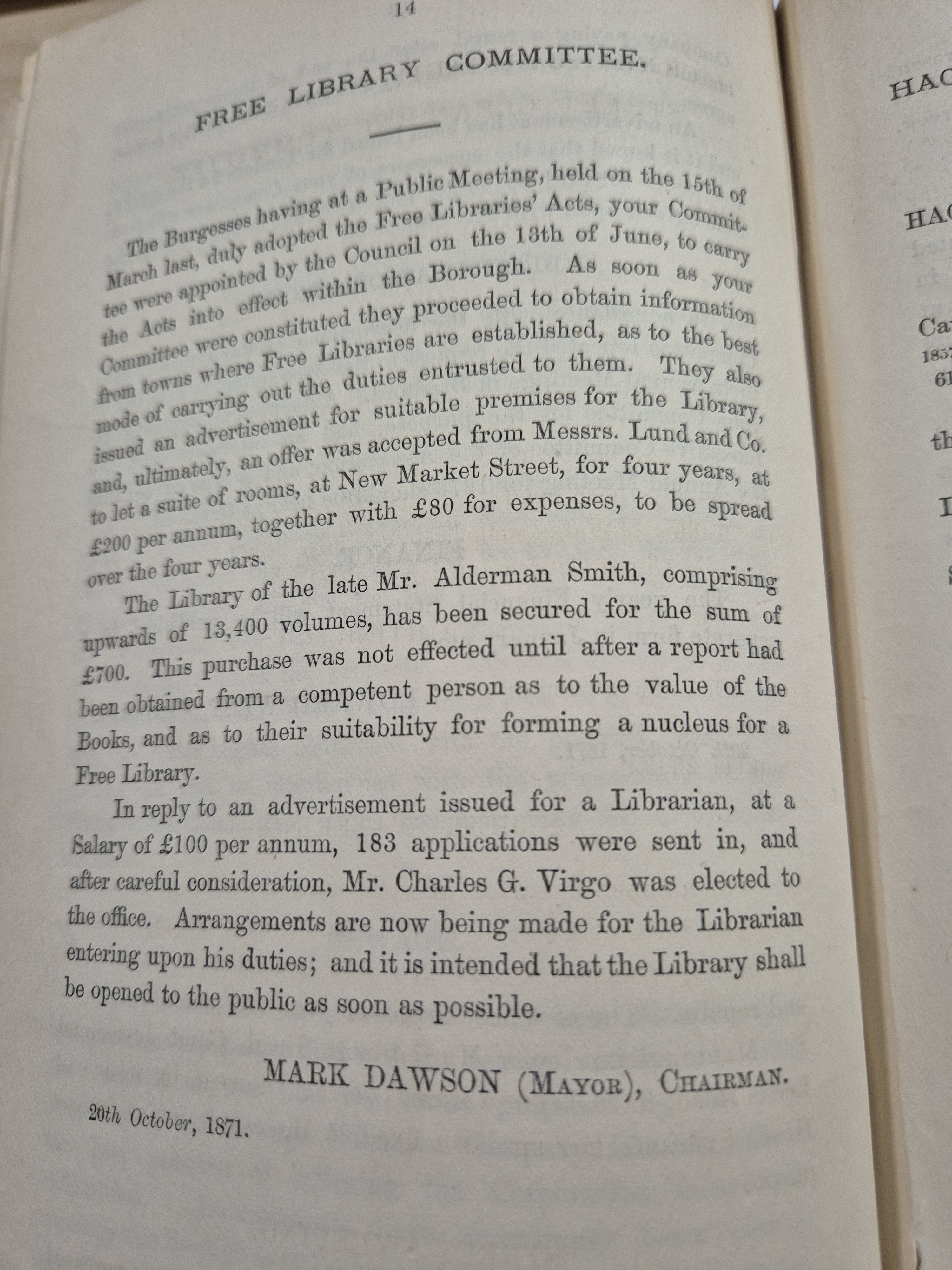
Page from Report of Committees of Bradford City Council 1871
reports-of-committees-of-bradford-city-council-1867-1876-1871.png
Bradford Local Studies Library

Alongside city leaders Briggs Priestley and John Venimore Godwin, the library acquired 13,400 volumes from Smith’s estate to rapidly stock the shelves at Tyrrel Street before opening day. 

What the 1872 Collection Included

Because it was established strictly as a Reference Library and Newsroom during its first few months, the collection was selected to prioritize information density and public utility rather than casual fiction: 

  • Local History and Antiquities: Early efforts focused heavily on preservation, creating a repository for local political pamphlets, transcripts of the Bradford Parish Registers, and topographical maps of the West Riding. 
  • Newspapers and Periodicals: The newsroom floor featured a vast selection of local daily and weekly broadsheets, including early bound volumes of the Bradford Observer (later the Telegraph & Argus), alongside commercial trade sheets to support the booming wool and textile sectors. 
  • Scientific & Commercial Reference: Directories, patent records, gazetteers, and standard 19th-century encyclopaedias designed to help local working-class men educate themselves. 

Reports of Committees of Bradford City Council 1872, p13,14. Property of Bradford Local Studies Library

  • February 1873: The lending department officially opened to the public, allowing citizens to take books home for the first time.
  • 1878: To accommodate rapidly growing demand, the library migrated to a grander, purpose-built facility on Darley Street. This site offered a newsroom, reference and lending blocks, separate reading rooms for men and women, and an art gallery.
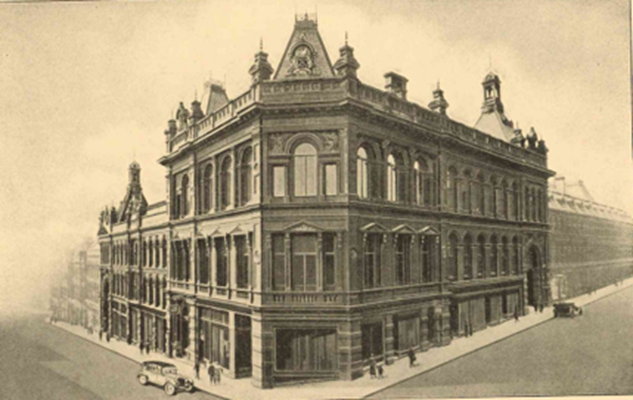
Central Public Library Location: Darley Street, Bradford, Source/Collection: Bradford Libraries Archive

Reading Room / Reference Library area at the Central Public Library Location: Darley Street, Bradford, Source/Collection: Bradford Libraries Archive

The Libraries Committee was responsible for overseeing the maintaining/expansion and governance of the Bradford Free Library. James Duncan Law’s grandfather, James Law JP, was a central pioneer of Bradford’s initial municipal expansion. During his tenure as Mayor in 1867, he advocated heavily for Bradford to adopt the 1850 Free Libraries Act, (The Public Libraries Act 1850 was a monumental piece of UK legislation that laid the foundation for the modern public library system. Introduced to Parliament as a backbench bill by William Ewart MP and Joseph Brotherton MP, it gave local authorities discretionary power to establish free public libraries for the very first time, paving the way for the opening of the first branch at Tyrrel Street in 1872. Following his mayoralty, James Law JP served as a dedicated director of the Bradford Library for over 25 years, steering its transition into the larger, grander Darley Street premises.

Inheriting this role, James Duncan Law (1882–1940) carried the family’s oversight into the early 20th century. Operating through the Committee, he managed the strategic upkeep, library staffing, and expanding catalogue of the Darley Street Central Lending and Reference Library. His primary focus was maintaining the library’s educational resources to support the local working class during the height of Bradford’s industrial textile boom.

When the landmark, eight-storey Bradford Central Library officially opened on Monday 17 July 1967, it introduced two major historical “firsts” to the United Kingdom’s library infrastructure:

1. First Major Post-War Central Library in the UK

The building was a structural milestone for British municipal design. It stood as the very first major, newly built post-war central library building in the entire United Kingdom. It was commissioned as a flagship symbol of the 1960s urban redevelopment of Bradford city centre.
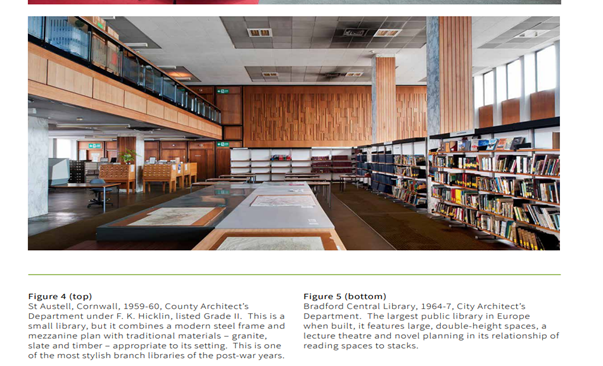
HEAG136 Publication date: September 2013 © English Heritage Reissue date: July 2016 © Historic England Design: Historic England

  • The building was commissioned to solve extreme overcrowding at the old Darley Street premises. It was designed by Bradford Corporation’s City Architect, Clifford Brown. He worked closely with the pioneering City Librarian, Harold Bilton, who had pushed for a modern premises since taking the role in 1951. The complex was built as an eight-story high-rise paired alongside an adjacent 400-seat Library Theatre. The structure made extensive use of glass facades and large reinforced concrete spans to maximize open space, natural light, and structural visual flexibility.
  • Financial Scale: When the building was finalized and officially opened by H.R.H. Princess Alexandra in 1967, the total construction and fitting cost was £800,000. For context, at the time, this massive investment was equivalent to buying multiple professional football clubs.

2. First UK Library Using the “Subject-Department” Principle

Before 1967, British libraries strictly separated their lending books from their reference books (often keeping reference texts tucked away in a closed-off area). Inspired by modern American systems, Bradford’s City Librarian, Harold Bilton, broke tradition:

  • Integrated Departments: Bradford Central Library became the first in the country to combine lending and reference materials together into designated subject departments.
  • The Layout: If you visited the 5th floor, for example, you found all social science lending books, reference texts, and specialists in that field grouped in one single zone.
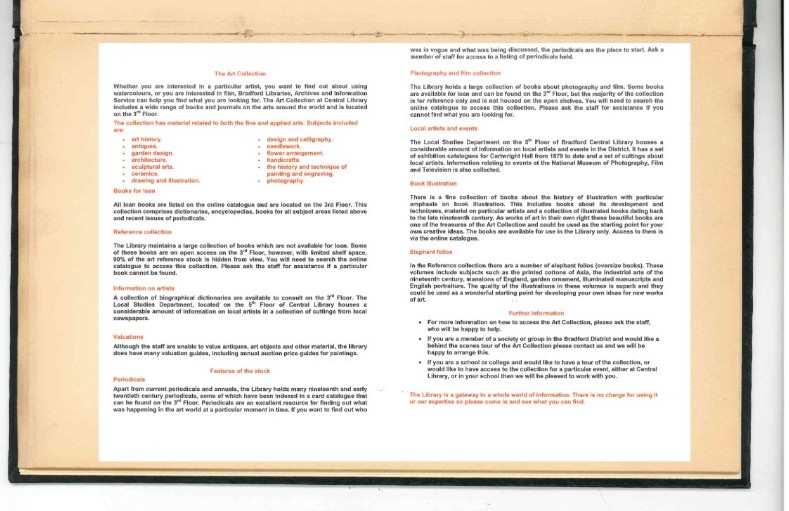
Evolution of the Stock

  • June 1872: The Reference Library opened with the 13,400 general and local volumes.
  • February 1873: The library added a popular Lending Department, expanding the collection to include classic 19th-century literature and standard science textbooks. 

In 2013, the library moved from Margaret McMillan Tower into a building in City Park which was shared with Bradford Museum and Galleries. This obviously caused a reduction in stock, and the entire library now only covered 2 floors. This did not deter usage as City Library as it is now known is still one of the busiest libraries in the district.

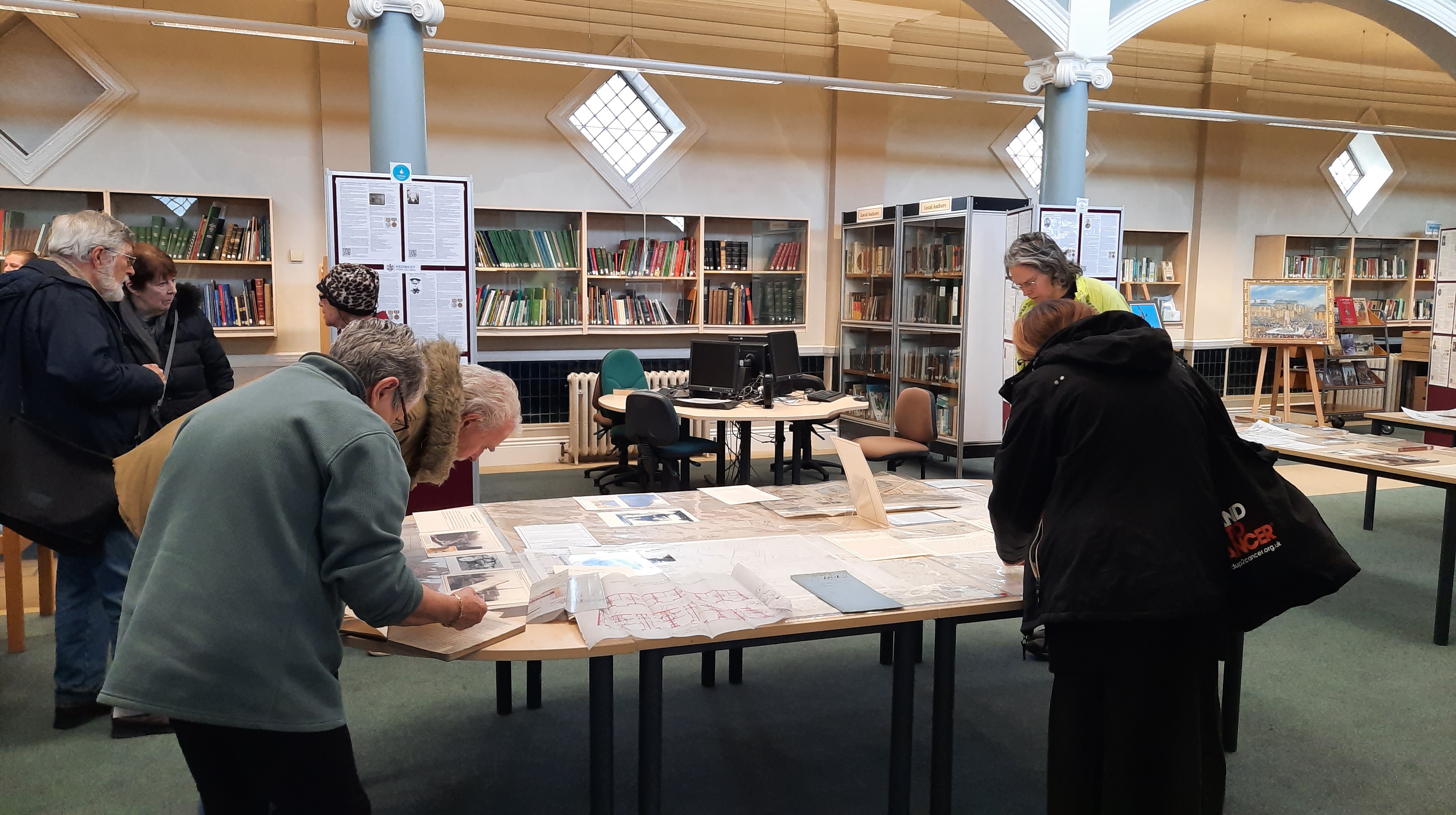
There is a display of photos on display in Bradford Local Studies, which people are welcome to come and see. These will be up until 31st August when the display will change to Septembers subject.

The Impact of German Butchers in Keighley

‘Meeting the Meat Demand’ with Karl-Heinz Wüstner.

Over the summer, the History Society was presented with the opportunity for a talk by Karl-Heinz Wüstner on German immigration to West Yorkshire. With all of our regular slots already filled (and the budget pretty much used up), our solution was to book Keighley Local Studies Library for an extra talk on the afternoon of Wednesday 1st October. The talk, entitled ‘Meeting the Meat Demand’ will start at 2.30pm and will finish around 4.30pm (time for the talk plus discussion at the end). There is a charge of £2 per person (fee applies to members and visitors).

Karl-Heinz Wüstner is a retired high school teacher from Ilshofen, Germany. As a local historian he has studied labour migration and conducted research on trade and craftsmanship in the Hohenlohe region of Germany for many years. He is a committee member of the Historical Society for Württemberg-Franconia and chairman of a local museum that exhibits painted furniture. He writes books and articles, and has given talks at numerous conferences and seminars.

Karl-Heinz Wüstner: “The continuing industrialisation of Yorkshire in the 19th century created many additional jobs in wool mills and factories. Industrial centres grew rapidly and the large number of newly arrived workers needed to be fed. German immigrants in particular took advantage of these circumstances. As butchers, they not only offered meat, but also produced a variety of tasty sausages, meatloaf, rissoles and many other products that could be eaten either cold or warm after brief heating. With the introduction of takeaways, also offering hot meals, they broke new ground in food supply and thus established new eating habits.

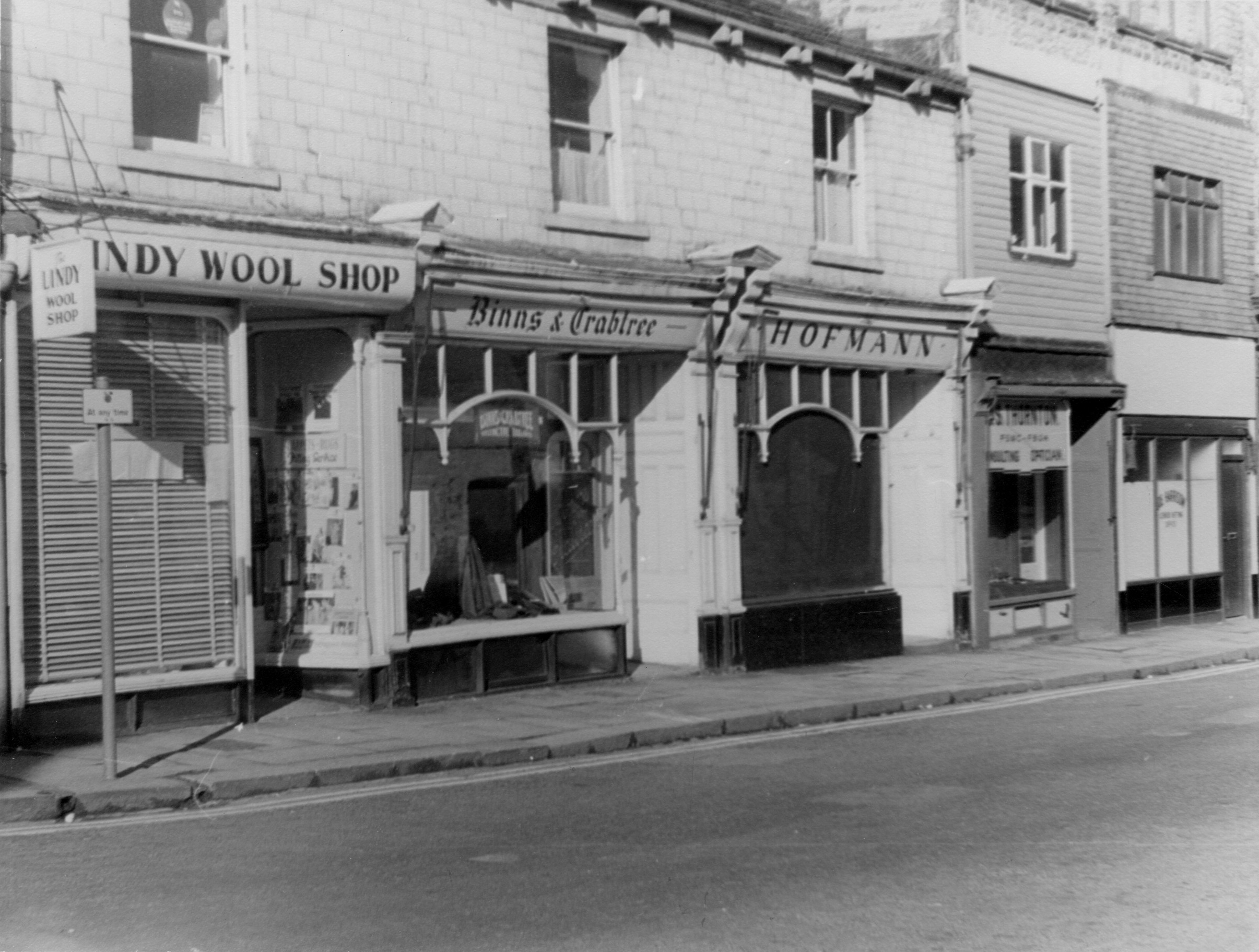
“Quite a number of such pork butchers settled in the up-and-coming town of Keighley. A whole series of butcher’s shops with more than thirty female and young employees dominated the streetscape. Names such as Andrassy, Pfeiffer, Hofmann and Schneider may still be remembered by some today.

“I will try to explain why the butchers and their families left their homeland and how they were able to succeed as immigrants. I will explore the important role they played in the development of the towns and cities, as well as their personal fates.” 

Article and Photos by Tim Neal, Keighley & District Local History Society.

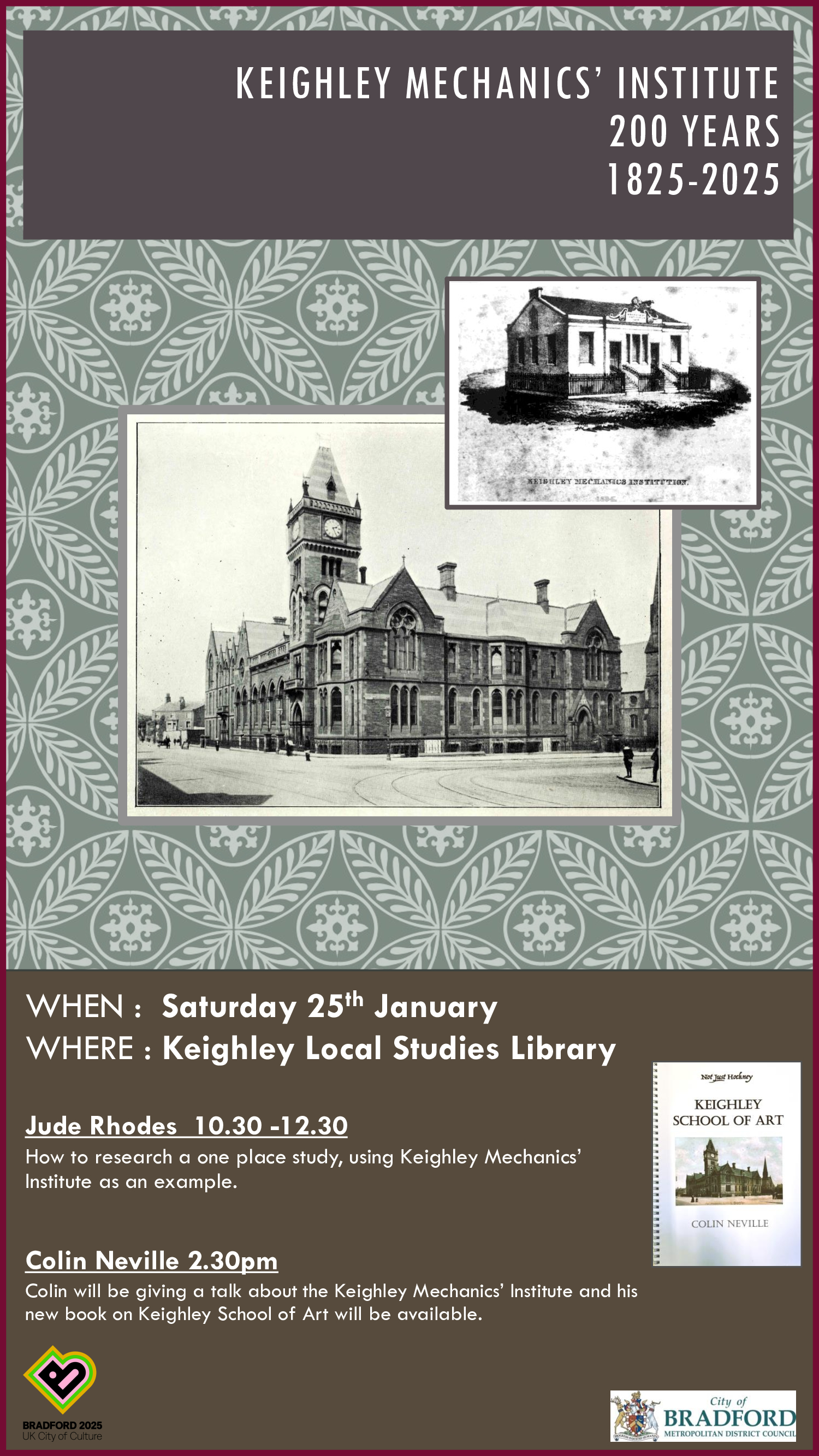
Keighley Mechanics’ Institute: it’s foundation 200 years’ ago and it’s National and International reach

As part of the City of Culture celebrations, Keighley Local Studies Library is planning a day of events to celebrate the foundation of Keighley’s own Mechanics’ Institute, a cultural institution that had enormous reach in its heyday and was one of the first in England, following on the heels of the very first in Edinburgh in 1821 and Glasgow in 1823.

Founded formally by 4 working men at a public meeting held on 14 February 1825, join Jude Rhodes, lecturer in local history and genealogy and the Local Studies’ staff, as they take you through a one place study of this institution, its history, influence and far-reaching impact. We shall look at the characters whose lives the institution and its member influenced, including the Brontë family and later how it benefited scholars of Keighley’s Grammar School, including internationally famous historians: Lord Asa Briggs and Sir Herbert Butterfield. We shall also look again at the Institute’s associations with Andrew and Louise Carnegie and their ultimate gift of the Keighley Public Library to the town in the 1890s.

In the afternoon, Colin Neville, writer and editor of the popular “Not Just Hockney” web site, will take us through the Institute’s history, emphasising the role of the School of Art, the subject of his very latest book in his series on the history of art in the Bradford District. Colin will show how the art school became internationally renowned through its technical education,  led by Sir Swire Smith, and how it produced artists, art historians and teachers such as Sir Augustus Spencer who became Principal of the Royal College of Art in London. Colin Neville’s latest book, “Keighley School of Art” will also be on sale.

Both events are free, just turn up on the day please.  We look forward to seeing you and sharing our wonderful archives.

Keighley Mechanics Institute flyer

Back to back Housing and The Brigg Family, Keighley Mill Owners

Back-to-back housing was the topic of Jude Rhodes’ talk this week, the second in the series of illustrated presentations by this wonderful speaker and although these houses are still all around us in their later improved incarnations, back-to-back history continues to surprise us.

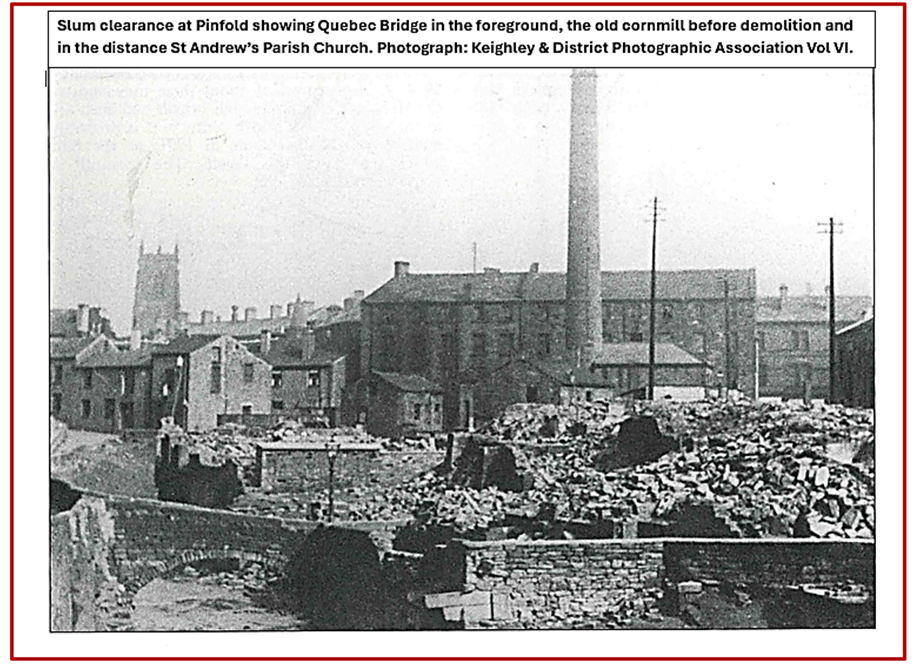
Back-to-backs were first mentioned in Bermondsey as early as 1706 and were built in Birmingham and Nottingham in the 1770s, Manchester and Liverpool in the 1780s. Leeds began to build them in 1787 and has the most back-to-backs in the country. Keighley’s own early workers’ housing was centred around West Lane at Westgate, including the Pinfold area, its terraced early back-to-backs include Leeds Street and Turkey Street, see illustrations.

The early back-to-backs houses usually consisted of a kitchen room with 2 bedrooms on the floor above and a cellar place for coal. Houses at the rear were usually accessed by tunnels from the street. They were popular for cheap rents and running costs but were unsanitary with shared middens and water supply, small windows and generally a lack of ventilation with subsequent damp. There was much overcrowding and Jude illustrated this with 40 Birmingham houses sharing 3 privies, that’s potentially 160 people. Piles of human and other waste were added to make “midden heaps” that were cleared into the rivers, becks or streams by the Night Soil Man or left to pile up in the yard before spilling into open sewers, basically ditches with water running through if the gradient was good, if not then waste was left to stagnate, producing poisonous and noxious fumes. Water from rivers, becks and streams could so easily carry typhoid and dysentery, such was the pollution before proper sewerage systems.

Bye-laws and the Public Health Act of 1875 tried to improve workers’ housing and improved back-to-backs were built. These were referred to as “byelaw terraced” housing.  These houses had to meet minimum standards of build quality, ventilation, sanitation and population density. Significantly, this type of housing made up over 15% of the United Kingdom’s housing stock in 2011 and gentrification has taken place for some, as at Chimney Pot Park in Salford.

The overcrowding, insanitary conditions and deterioration of much early housing caused concern, not least amongst employers who required healthy workforces to fill their factories and mills. The Brigg family of Calversyke Mill in Keighley built better back-to-back housing in Lynum Street, however their hopes to build a model village like Sir Titus Salt in Saltaire was prevented due to the inadequacy of the water supply there. Later they sold extensive land around Guard House that enabled the building of Keighley’s first 136 Corporation houses at Guard House in 1928 with gardens, space, light and sanitation. James Lund of North Beck Mill built houses near his gift to the town of Lund Park and some of his houses, post 1878, remain in Calton and Chelsea Streets. Robert Clough of Clough Mills built houses in what is known today as the “Jewel Box” area of Keighley, called after the names of five streets: Opal, Diamond, Ruby, Pearl and Emerald. The list of house planning millowners goes on though not for model villages.

Slum clearance began in the 1930s and went through stages up to the 1970s. In Keighley, much early housing was cleared when the Housing Act of 1930 allowed for compulsory purchase of the proven inadequate housing for demolition. Jude highlighted the destruction of community in the process, however, and some members of the audience noted Parkwood in the 1960s. Not everyone wanted to leave their homes, improvement yes, not demolition and rehousing. Stories from the audience included a de-lousing procedure for inhabitants of “slum dwellings” before access to alternative housing was permitted. Dr Ian Dewhirst MBE in “A History of Keighley”, page 132, highlights the loss of “landmarks in the folk-geography of generations: the Bay Horse Inn and the Angel… the picturesque Quaker meeting-house in Mill Street; the pinfold where stray livestock had been impounded; hump-backed Quebec Bridge, scene of many a Saturday-night brawl…”

Time marches on sometimes leaving shock waves in its wake as in the final fact Jude noted, that her “all time dream home”, her former grandparents’ back-to-back in Leeds, where they struggled to live comfortably, is today not even affordable to her. How things change.

Jude Rhodes is an Associate of the Association of Genealogists and Researchers in Archives (AGRA), specialising in Yorkshire history. She is she explains, “passionate about using local history with family history, this provides the exploration of who our ancestors were, why they lived in a particular place and how they were part of their community at a given time”.

Thank you to all who attended, please find an earlier blog with future talks listed into next year. Please note these are free events and also a place booking is required for that on the 11th December 2024, Christmas Family Traditions and Crafts, contact Keighley Local Studies. Poster with details is with this blog.

Jude highlighted some resources and museums during her talk, here are some mentioned below revealing the back-to-back history experience:

For building plans, OS maps, photographs, town plans, Borough records, and at least 2 in depth studies on the housing of workers and employers, please see Keighley Local Studies Library, North Street, Keighley keighleylocalstudies@bradford.gov.uk

National Library of Scotland online collection of town maps and plans for England and comparative recent aerial photographs for study
https://maps.nls.uk/os/

Bradford Industrial Museum for nicer back-to-backs and the mill owner’s house
https://bradfordmuseums.org/venue/bradford-industrial-museum/

Thackray Museum of Medicine in Leeds for the Night Soil Man and the history of sanitation generally  https://thackraymuseum.co.uk/

Black Country Living Museum in Dudley and Beamish Museum in Durham for more living history in back-to-backs             
https://bclm.com/

Birmingham’s Back to Backs Museum
https://www.nationaltrust.org.uk/visit/birmingham-west-midlands/birmingham-back-to-backs