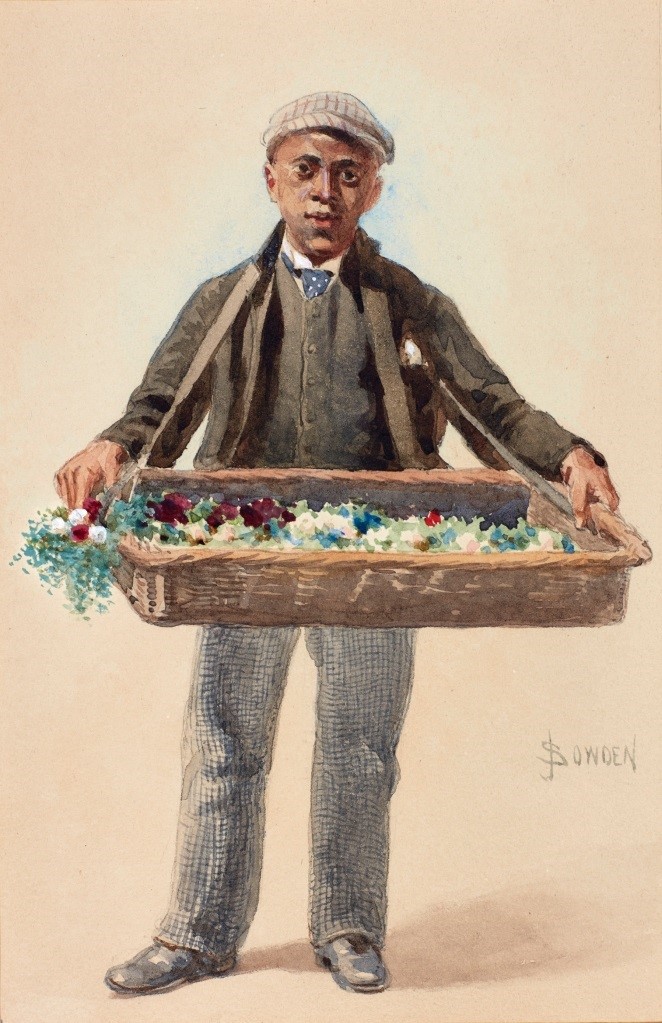
Edward Walton and his family were originally from Peru. Edward and his parents sold flowers on Kirkgate and Darley Street in Bradford where he was known as ‘Spider’ Walton.
His family lived in Leeds.
This portrait was painted in June 1888 when Walton was aged 16.
Abraham Johnson was born in Zanzibar where he was enslaved as a teenager. His slavery took him to China, Japan and India.
He escaped enslavement in South-East Asia before working as a member of crew on board a ship, sailing from the Indian Ocean to Liverpool.
He is referenced in records as having been rescued from a shipwreck.
Abraham worked at John Marshall’s Temple Mill in Holbeck, Leeds before settling in Bradford where he lived in a lodging house. He was married with a daughter. In Bradford he sold pamphlets and newspapers on the streets.
He was painted by John Sowden in June 1888 at the age of 40.
Bradford Libraries are Proud To Be part of Black History Month 2021 and delighted to share some of the historical stories featured in the Black History Timeline for Bradford District.
The Black History Timeline showcases the long history of black people in our community and the contribution they have made to our society.
In the next of our series of posts we focus on some of the characters who could be seen about the streets of the late nineteenth century painted by local Artist, John Sowden.
John Sowden was art master at the Bradford Mechanics Institute for 40 years as well as a key figure in many of the political and current affairs of the time. He was primarily a water colour artist and several of his pictures were exhibited at the Royal Academy.
He compiled a large collection of pictures of notable Bradford characters giving a rare insight into the stories of some of the characters who could be seen about the streets of Bradford, creating a unique social record of the time.
The water colour paintings are in Bradford Museums’ collection and can be viewed here:
The stories have been collected in the book: Street Characters of a Victorian City: John Sowden’s Bradford, edited by Gary Firth, Bradford Arts, Museums & Libraries Service (January 1, 1993), 978-0907734406
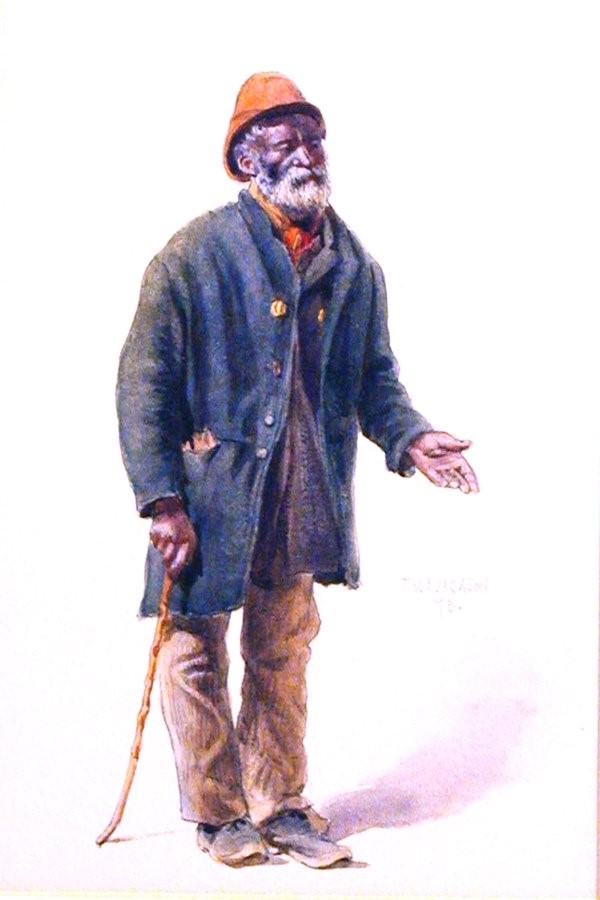
Thomas Jackson #2
Thomas Jackson was born in 1815 enslaved in Virginia. He was a well-known local street character known as ‘Old Tom’ and was persuaded to pose for John Sowden and his students in 1888 at the age of 73.
We now know that 3 years later in 1891 he can be found on the census living in Keighley.
His death certificate in 1897 says he died in the Union Infirmary and the informant given is Master of the Union Workhouse. He was buried in Utley cemetery. No grave marker has been found.
Post script:
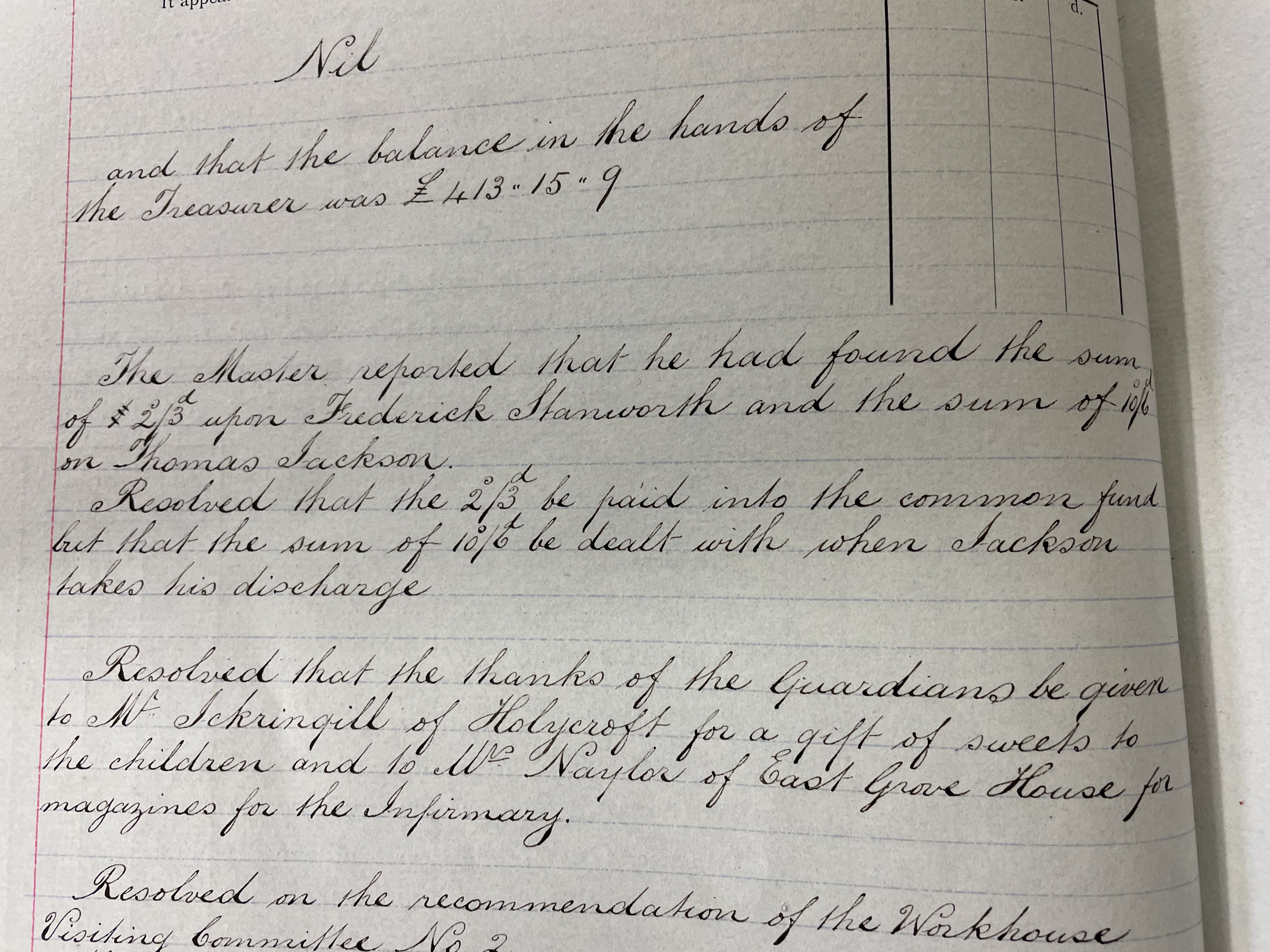
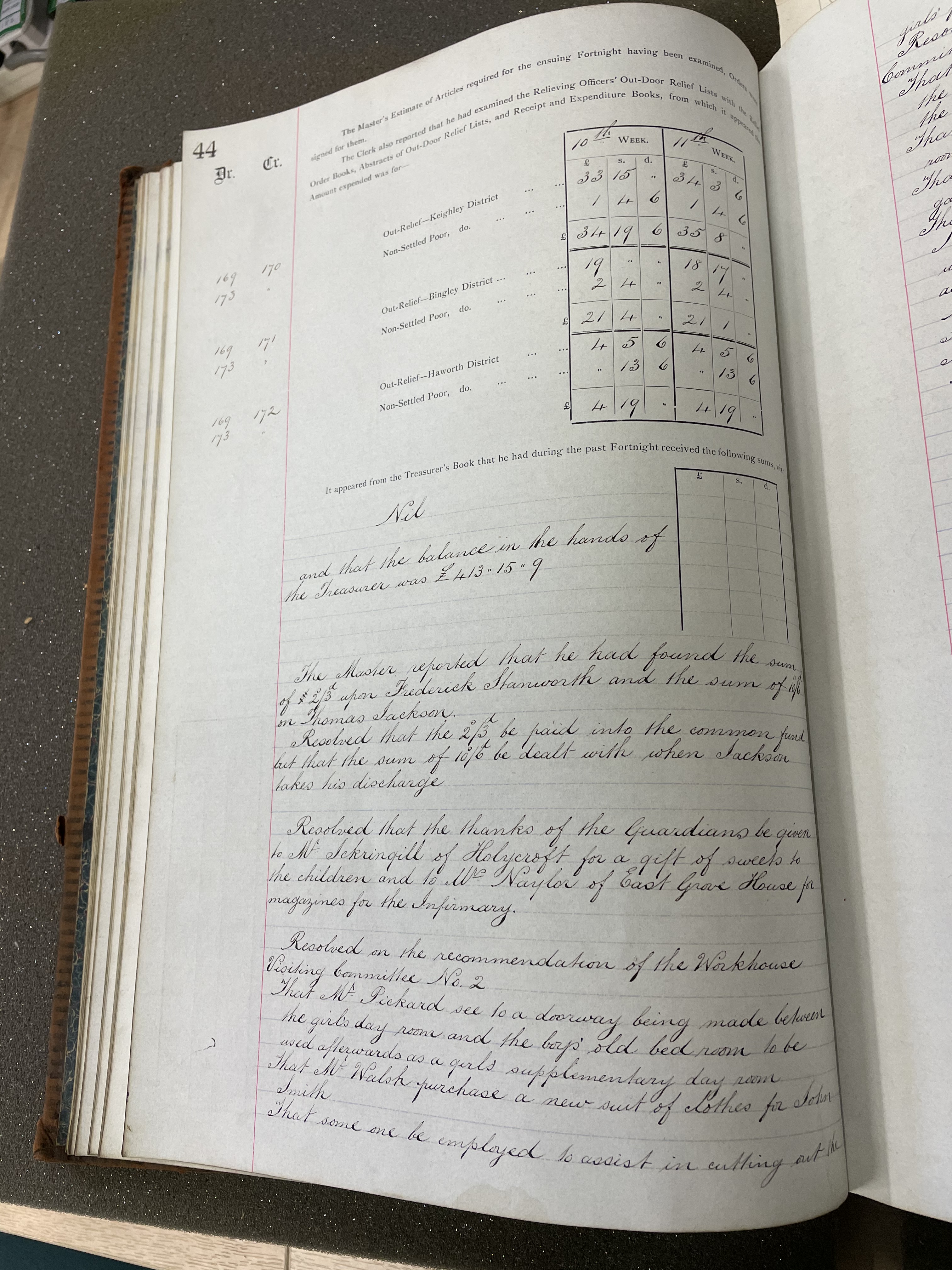
Keighley Local Studies staff recently located the following entry in the workhouse records:
The Master reported that he had found the sum of 2s/3d upon Frederick Hanworth and the sum of 10s/6d on Thomas Jackson. Resolved that the 2s/6d be paid into the common fund but that the sum of 10s/6d be dealt with when Jackson takes his discharge. (Keighley Union Records (KU/1/17)
Bradford Libraries are Proud To Be part of Black History Month 2021 and delighted to share some of the historical stories featured in the Black History Timeline for Bradford District.
The Black History Timeline showcases the long history of black people in our community and the contribution they have made to our society.
The fascinating story of Henry ‘Box’ Brown is inspirational across the world.
Henry Box Brown was born in 1815 and enslaved on a plantation in Louisa County, Virginia.
In 1849 he escaped slavery to freedom by concealing himself in a wooden crate and arranging to have himself mailed to abolitionists in Philadelphia, enduring 27 hours of travel.
Brown became a noted abolitionist speaker and later toured the UK with his anti-slavery panorama to tell his story and help the abolitionist cause.
In 1851, Henry ‘Box’ Brown appeared to a crowded audience at the Mechanics’ Institute in Bradford for 5 nights, ‘depicting in a striking and painful manner, the abominations and horrors of slavery’. (Bradford Observer 8th May 1851)
He re-enacted his escape by having himself shipped from Bradford to Leeds where his arrival was greeted with a parade of music and banners throughout the central streets.
In 2009 to celebrate Black History Month this journey was re-enacted by artist Simeon Wayne Barclay who was transported in a box by van from Bradford Central Library before being unveiled in Leeds.
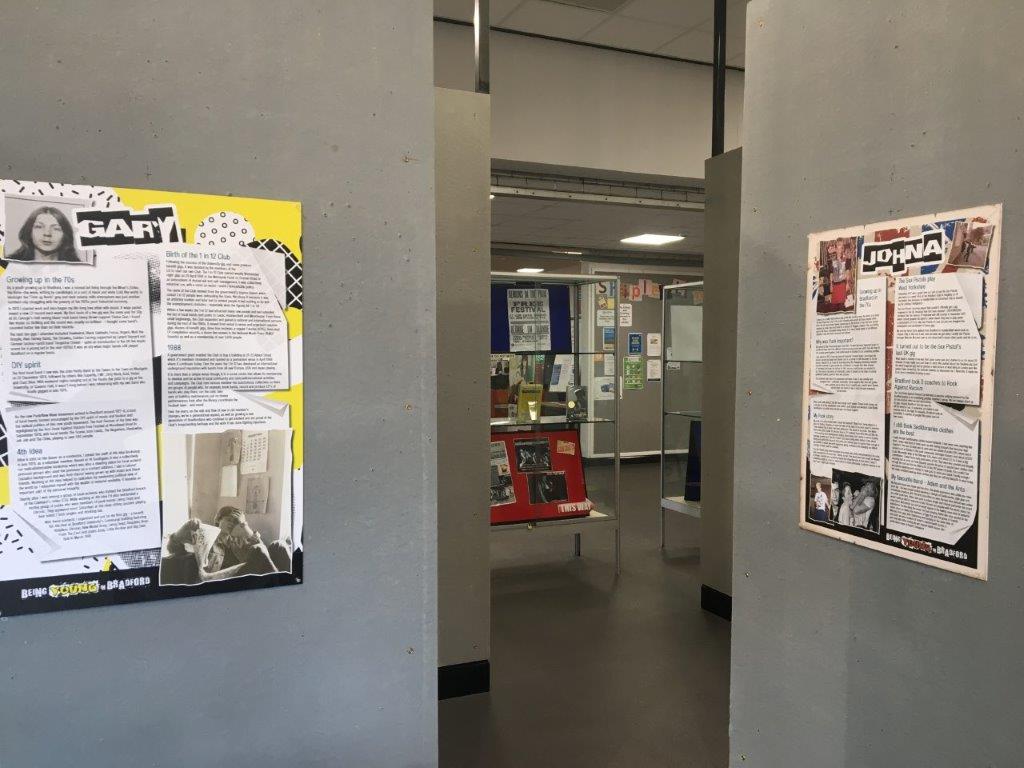
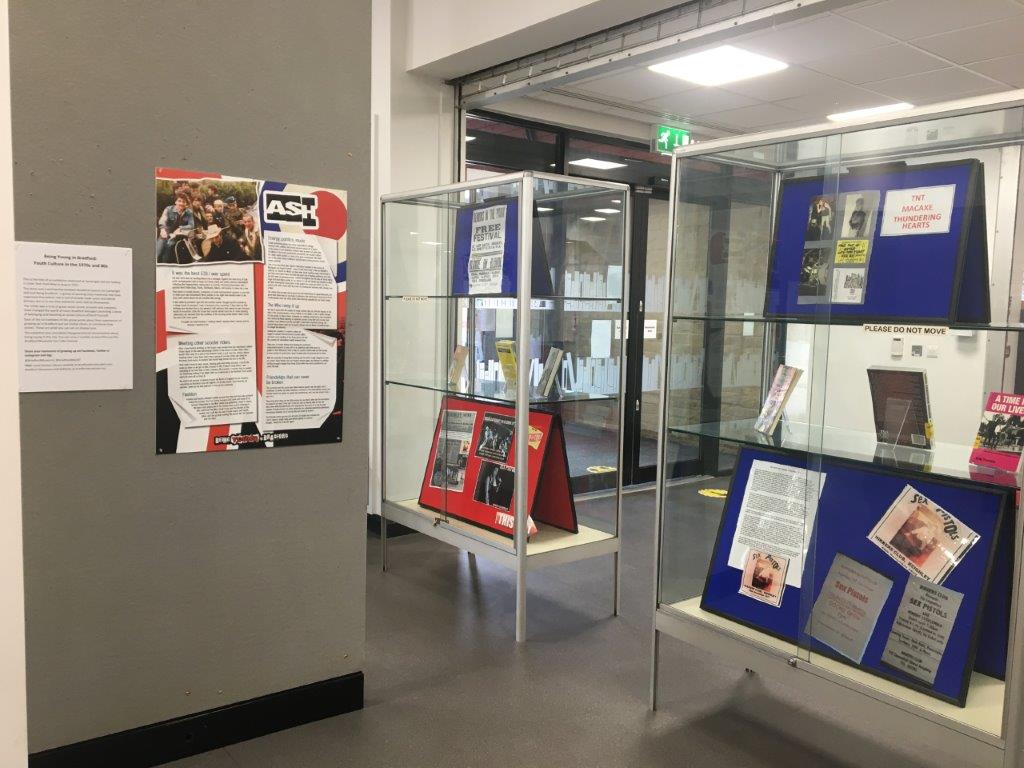
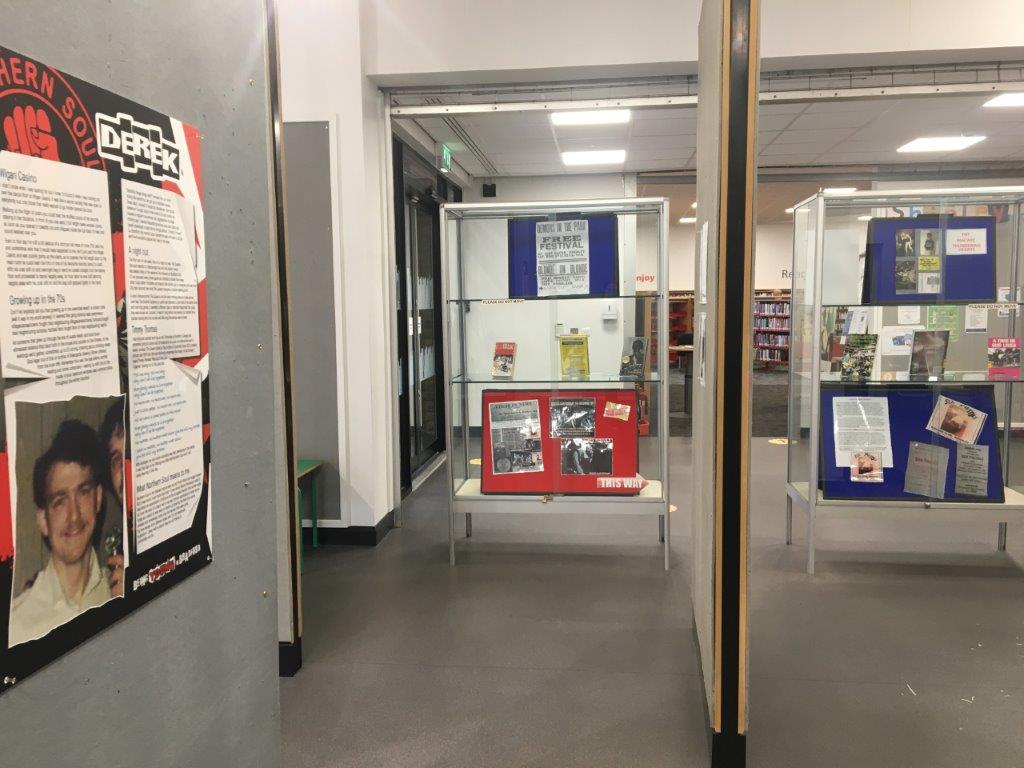
This was the title of an exhibition on display at Cartwright Hall Art Gallery in Lister Park from May to August 2021.
People can now view stories from this exhibition in Bradford Libraries.
The show was a partnership between Bradford Council run Cartwright Hall and Being Bradford – a group of working class mavericks that have organised themselves into a sort of artistic trade union and whose primary aim is to see their authentic story told by themselves and featuring in the city of Bradford’s cultural narrative.
The 1970s was a time of great political and social unrest yet also of creativity and activism. Punk changed the world of many Bradford teenagers providing a sense of belonging and fostering an active culture of Do It Yourself.
Each of the six members of the group wrote about their experiences of growing up and others were invited to contribute their stories.
These stories will be on display in Shipley Library from Monday 27 September to Friday 15 October and in City Library from Monday 25 October to Friday 19 November.
The exhibition also prompted intergenerational conversations about being young in the city. View a number of short films on the subject on the Bradford Museums You Tube Channel.
Share your memories of growing up if you are on facebook, twitter or instagram and tag: