We were all saddened to hear of the passing of Captain Sir Tom Moore earlier this month. A truly remarkable man, whose determination and show of ‘true Yorkshire grit’ during an incredibly difficult year, proved a beacon of hope to us all during lockdown. Raising over £32 million for the NHS he was an inspiration to us all.
A ‘Son of Keighley’, Sir Tom was presented with the Freedom of the Borough last summer on a visit back to his hometown, where a plaque was unveiled in his honour. Here is a look back at Captain Sir Toms’ Keighley origins.
Tom was Born on the 30th of April 1920, to Wilson ‘Wilfred’ Moore, a Mason, and Isabella Hird, a Headmistress.
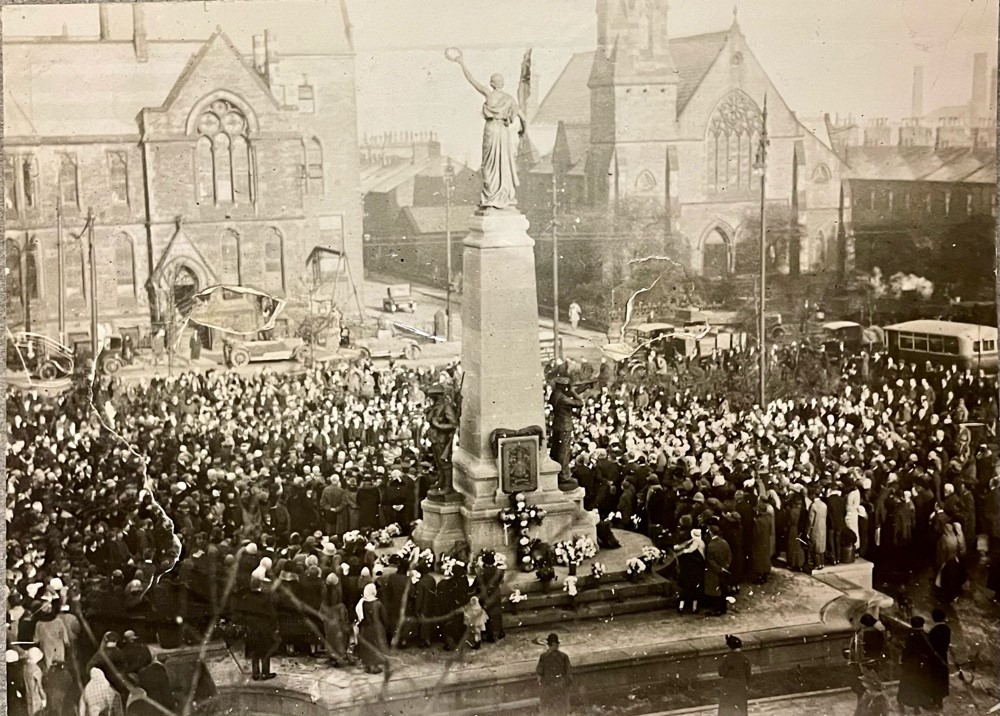
Tom’s paternal grandfather, Thomas Moore, came to Keighley in the 1870s after his marriage to Hannah Whitaker. Originating from a farming family in the Yorkshire Dales, seeing no prospect in farming, Tom set out to become a Stone Mason. Having trained in Bradford, Thomas took up building work in Keighley and an early job of his was the building of the impressive wall which surrounds the Cliffe Castle estate. Tom became quite successful and contributed to building many prominent buildings in and around the town. These include, Keighley Town Hall, shops down Cavendish Street, as well as the family home ‘Club Nook, at Riddlesden. Most notably Keighley’s War Memorial, The Cenotaph, situated in Town Hall Square was also Thomas’s firm’s work.
Keighley War Memorial unveiling 1924 (Keighley Photographic Society vol)
W. N. Hird The family shop
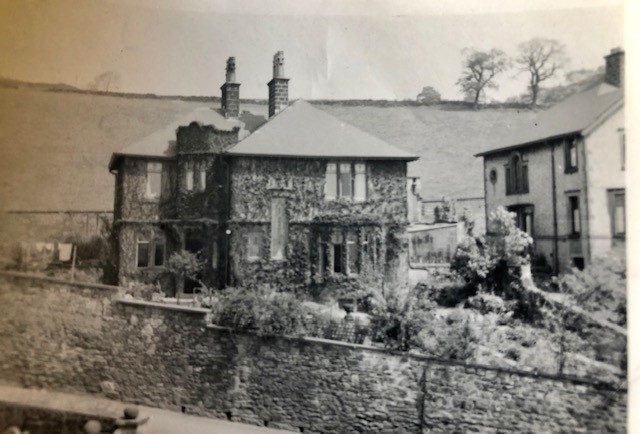
Tom’s grandfather on his mothers’ side, John Hird, worked as a barber in the family hairdressing and barbers on Church Street. During his early childhood Toms’ family lived at 14 Cark Road, a small but modern terrace near to the Town Centre. However on the death of his grandfather Thomas, Wilfred inherited the family home and moved to ‘Club Nook’. Situated in Riddlesden on the edge of Rombald’s moor, it was an idyllic spot for a young Tom, who enjoyed the outdoors and spent much time up on the moors with his pet dog.
Club Nook – the family home
An active and bright lad, Tom entered ‘Keighley Grammar School’ in 1933.
Keighley Boy’s Grammar School. (Keighley Boys Grammar School Archive BK 211)
Although he did not consider himself academic, Tom did well at school and was a member of the debating club of which, Sir Asa Briggs, notable Historian, was also a member.
Tom’s love of machines was spurred by Tom’s Uncle Billy, a motorbike trials rider in his spare time. As a child Tom would watch his uncle take part in races and help him work on his bikes. Tom got his first motorbike at the age of 12, a Royal Enfield, which he proudly restored to working condition himself with no help. This love of motorsports stuck with him and Tom himself took part in motorcycle racing in adulthood. One of Tom’s old bikes from the 1950’s, a Scott Flying Squirrel, was even found at the Bradford Industrial Museum.
Photography was another family pursuit enjoyed not just by Tom’s father Wilfred, but Tom himself, both were Members of the Keighley Photographic Association.
Page from Keighley Photographic Association membership book 1935-1945 (BK83)
Wilfred once had aspirations to become a professional photographer but a complete loss of his hearing unfortunately put an end to any idea of a career. An excellent photographer, he contributed to the Keighley Photographic Association, with many fine images of Keighley and the surrounding area, some of which appeared in the Keighley News at the time.
Having gained a good education Tom left school at 15 matriculating in, French, English, History, Maths, Chemistry and Physics. He took up an apprenticeship with the Keighley Water Engineer for three years, then at 18 he started a course at Bradford Technical College to study Engineering. When War came in 1939, Tom a young man of 19 was still studying, but war service was mandatory for all men aged 18-49, so Tom’s War Service started just after he had turned 20, when he was conscripted and joined the 8th Battalion of the Duke of Wellingtons Regiment. Tom was soon selected for officer training. Having achieved the rank of Second Lieutenant Tom was posted to India. As part of his service he ran a training programme for army motorcyclists. In 1945 now promoted to temporary Captain, Tom returned to England to become a Tank training instructor.
Post war Tom returned to Keighley to work as a sales manager for a roofing materials company in Yorkshire. A successful career in business ensued and he went on to become general manager of Cawoods Concrete Products Ltd, manufacturing concrete pipes, Cambridgeshire.
Tom married Pamela in 1968 and the couple went on to have two children, Lucy and Hannah. Sadly Tom lost his wife to Dementia in 2006. So in 2008 Tom went to live with his daughter Hannah and her family in Marston Moretaine, Bedfordshire, where he lived until his death.
His visit back to his hometown in August last year for the unveiling of his plaque was met with much excitement and delight. Here are some of the picture of Captain Sir Tom’s visit.
The Autobiography, ‘ Tomorrow Will Be A Good Day: My Autobiography by Captain Tom Moore’ is available with proceeds going to supporting the ‘Captain Tom Foundation’ set up in his name.
Copies are also available free to borrow at Bradford Libraries https://www.bradford.gov.uk/libraries and also via ebook on Borrow Box, the free online ebook and audiobook available through your library membership.
Keighley Local Studies Library was asked if we could help provide details of photographs for the documentary on Sir Tom’s life, showing the Keighley of Tom’s childhood. The documentary about his life ‘The Life & Times of Captain Sir Tom’ is still available through the ITV hub. https://www.itv.com/hub/the-life-times-of-captain-sir-tom/10a0447a0001
Written by Angela Speight, Keighley Local Studies, with thanks to Eddie Kelly, Gina Birdsall, Rachel Shearer, Amy Moore for providing photographs.
In this LGBTQ+ History Month, we celebrate the life and love of one of Yorkshire’s greats, Anne Lister of Shibden Hall and the first person in the Yorkshire area to have a same-sex wedding ceremony in 1834.
Anne Lister (1791-1840) was part of the famous mill owning Lister family of Bradford and as such was related to Samuel Cunliffe Lister of Manningham Mills. Anne, however, lived at Shibden Hall, Halifax where that branch of the Lister family had lived since 1615.
Anne was not born at Shibden but moved there as a child to live with her aunt and uncle. She became co-owner in 1826 and, following the death of her brother, inherited the estate in 1836. She became a keen businesswoman, undaunted by the sometimes openly hostile male chauvinism in her local business and political world, and was an adventurous traveller abroad. She was also the only woman co-founder of the Halifax Literary and Philosophical Society.
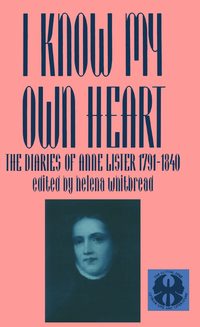
Anne Lister assiduously wrote diaries and journals, 24 in number. They listed her daily social, political and business life and travelling exploits but at least one sixth of them were handwritten in code. This coded text later revealed the extent of Anne’s romantic affairs and sexual encounters with women, when they were finally decoded from a mixture of Greek letters, numbers and symbols. Apparently, it was not until the women’s liberation movement of the 1970s and 1980s that it was felt that uncensored editions of her sometimes explicit diaries could be published (Gentleman Jack: a biography of Anne Lister by Angela Steidele, p.Xi)
Diary extracts and samples of code can be viewed on the excellent web pages of the West Yorkshire Archive Service, that hosts a full exhibition about this remarkable woman, please follow this link:
In 1832, Anne Lister struck up more than her earlier acquaintance with Anne Walker (1803-1854) who, through inheritance with her sisters, had become joint owner of the neighbouring substantial Crow Nest Estate in Halifax. The two Annes became lovers and exchanged rings on 27 February 1834. However, it was on Easter Sunday, 30th March 1834 that they sealed their union when they took communion together in Holy Trinity Church, Goodramgate, York. This building now displays a commemorative rainbow plaque.
Anne Walker and Anne Lister lived together as a married couple at Shibden Hall and also travelled a great deal. It was on one of their journeys in Georgia in 1840 that Anne Lister died. She was only 49 years old. Sadly, Anne Walker, who had always suffered with mental health problems had a severe relapse and was removed to York from Shibden Hall in 1843 having been declared of ‘unsound mind’. Although she returned to Shibden, she later moved back to her family’s estate Cliffe Hall in Lightcliffe, where she had been born. She died there in 1854.
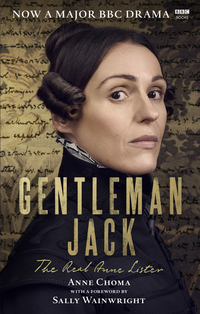
There is a wealth of material online about Anne Lister, her life and diaries, Anne Walker, Shibden Hall and about the making of the most recent television series Gentleman Jack, filmed in Halifax and using Bradford popular film locations, and now into the filming of a second series. Bradford Council also has a number of events to celebrate LGBTQ+ History Month. Please follow the links below.
To borrow (hard copy or ebook) the acclaimed book that the TV series inspired, Gentleman Jack A Biography of Anne Lister: Regency Landowner, Seducer & Secret Diarist by Angela Steidele, translated by Katy Derbyshire (Serpent’s Tail, 2019)
Photograph of merchants on the main floor of the Wool Exchange, Bradford 1954. (C.H. Wood, Bradford Museums and Galleries)
By the 1850s it’s estimated that Bradford processed two thirds of the country’s wool production and was generally known as the wool capital of the world. People sought work in Bradford as local rural employment declined but eventually they came from all parts of the world. In 1974, Bradford became a metropolitan district and absorbed other areas such as Keighley that had also experienced early economic and population growth due to its textile trade and related engineering industries.
Despite this propitious beginning and rapid production and success, the District’s textile industry has declined over the years and now the local economy relies on a diversity of industries and technologies. Nevertheless, much of the industrial landscape remains but far from being predominantly the “dark satanic mills” of dereliction and waste, today very many of the old mills have been re-purposed in unique and creative ways so that they can continue to contribute to the social, economic and cultural development of the District. Today we see mills playing a role in pioneering digital technology, film, performance art and culture and they will be an essential consideration in the “Northern Powerhouse” agenda for the District.
Architectural innovation and majesty
Fabric Huge by Mark Keighley
The early mill owners built grand houses that we still admire such as Heathcote, Ilkley (John Thomas Hemingway, Richardsons’ wool merchants); Cliffe Castle, Keighley (Butterfield family, worsted manufacturers and merchants), Eastwood House, Keighley (William Sugden, worsted spinner); Lady Royde Hall, Bradford (Henry Illingworth, worsted spinner, manufacturer). However, they also built their mills on a grand scale too, continuing to use the best architects around. Amongst the most splendid mill examples still standing today are Lister’s (Manningham) Mills, Bradford built by Samuel Cunliffe Lister to replace the original Manningham Mills, destroyed by fire in 1871. Built in the Italianate style of Victorian architecture (listed Grade II), the architects were a local firm, Andrews & Pepper who went on to design many fine buildings in Bradford. For all architect details, please see: https://www.bradfordtimeline.co.uk/arch.htmSalt’s Mills built by Sir Titus Salt and designed by Bradford’s Town Hall architects Lockwood & Mawson, is also now Grade II listed and in it floor size at the time was the largest industrial building in the world. It has been described as an Italianate palace as the architecture is after the 15thcentury Italianate style; Dalton Mills , Keighley (Grade II listed 1134129 ) was built for J. and J. Craven, worsted spinners and manufacturers the complex originally consisted of 3 ornate mills in an eclectic classical style (minarets style towers included) round a small courtyard, Tower Mill, Genappe Mill and New Mill. They were designed by William Sugden of Leek, Staffordshire who also built the Secular Hall in Leicester https://www.pinterest.co.uk/jonathan1505/the-sugdens-of-leek/ All these mills can be examined in more detail individually on the English Heritage Listed Buildings web site: https://historicengland.org.uk/sitesearch
As well as this grand architecture, mill owners built houses for workers, public buildings such as Institutes, offices and warehouses, some similarly ornate such as in Saltaire Model village and Little Germany in Bradford. In the last century, mills themselves that were structurally still sound began to be refurbished to produce flats and apartments. These were also popular because of their location near scenic waterways, such as in Saltaire at Victoria Mills and in Bingley. Another of Bradford’s main developments is that of Lister’s Mill. Once the largest silk factory in the world, the Grade II listed buildings have now been converted by Urban Splash into apartments, penthouses and commercial units. The following site shows the transformation with excellent photographs: https://historicengland.org.uk/whats-new/in-your-area/yorkshire/saving-monumental-bradford-mill/
Conditioning House, Bradford, is another large and prestigious building development and won the UK Property Award for best residential development in Yorkshire 2018/19. Smaller mills all over the District have also been converted such as Hewenden Mill, Haworth, and others such as Baildon Mills are in the pipeline, so maintaining Bradford’s unique industrial architecture.
The Great Exhibition of 1851 exposed weaknesses in Britain’s manufacturing and industrial educational policy and pinpointed deficiencies in technical drawing skills of students going into industry and manufacturing. Subsequently, the Department of Science and Art was created to raise standards, together with the National Art Training Schools of South Kensington to provide specialist instruction in drawing, designing and modelling. A system of national scholarships was also established. In the late 19th century, students of Keighley Mechanics’ Institute particularly benefited and won many scholarships, encouraged by Swire Smith of Fleece Mills. He travelled through Europe examining different educational methods and skills, gave lectures, served on the Royal Commission on Technical Instruction (1880) and contributed papers to the Technical Education Bill (Technical Instruction Act 1889) and its committee. He received a knighthood in 1898. Keighley Local Studies library holds his archive and a collection of pamphlets.
Digital Technology
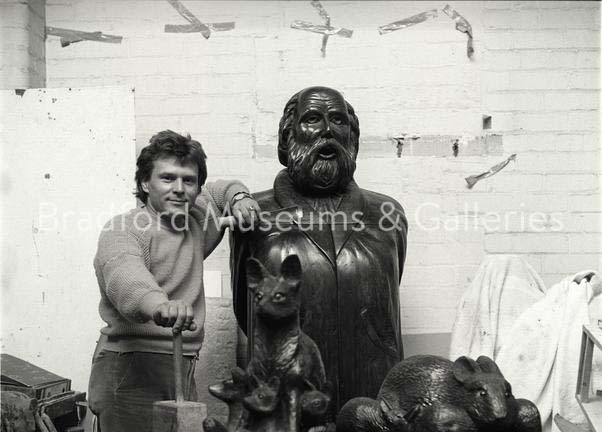
Salts Mill, small industrial unit, sculptor, Andrew Orlowski, who came to England during 1980 after studying at the famous Academy of Sculpture, in Poland. (BHRU, Bradford Museums and Galleries)
The repurposed Salt’s Mill played a role in training and employment when it opened new units for crafts but also in new technologies when it gave space to Pace Electronics, a British company pioneering digital technology for satellite receiving equipment. Today the mill houses the Advanced Digital Institute (ADI).
Into the future, Bradford’s mills are set to play an important role in developing the use of drone technology and smart city management. Dalton Mills, Keighley has already been noted in the report findings of the first phase of the pioneering “Flying High” programme. Bradford is one of only five areas designated “drone cities” for this leading project for the drone industry. For details follow the following links:
Illingworth, Morris PLC. Employee of the spinning mill on Thornton Road, Bradford. (BHRU, Bradford Museums and Galleries)
Since the Industrial Revolution, Britain’s population has been on the move to find work as rural employment became scarcer. Bradford District witnessed large Irish migrations and the use of orphans from as far away as London to be employed in the textile trade. The German worsted merchants built Little Germany warehouse area and also became cultural philanthropists, supporting buildings such as St George’s Hall. The composer Frederic Delius and the painter William Rothenstein came from such families in Bradford. After World War 2, Displaced Persons were given European Volunteer Worker status and recruited to work in the mills in the Bradford District. By 1987, there was upwards of 10,000 people of Austrian, Italian, Baltic and Eastern European origin living in Bradford, many working in textiles and its related industries (Wool City by Mark Keighley, G. Whitaker & Co. Ltd., 2007, p.143). The largest recent migration, however, was that from the new Commonwealth and Pakistan. Most of the new Commonwealth workers became employed in textiles as well as public transport and the Health Service, making valuable contributions to the local economy and its diverse cultural development. In the late 1960s, textile firms relied so much on workers from India and Pakistan for combing and spinning processes that without them it is recorded that textile production and profit would have seriously faltered. (See also Textile Voices edited by Olive Howarth, BHRU 1989 and Here To Stay, Bradford’s South Asian Communities, BHRU 1994)
Arts, Culture and Heritage
The move to re-purpose rather than demolish mills, championed by such schemes as the Prince’s Regeneration Through Heritage initiative has led to some becoming social, retail but also performance art and cultural hubs.
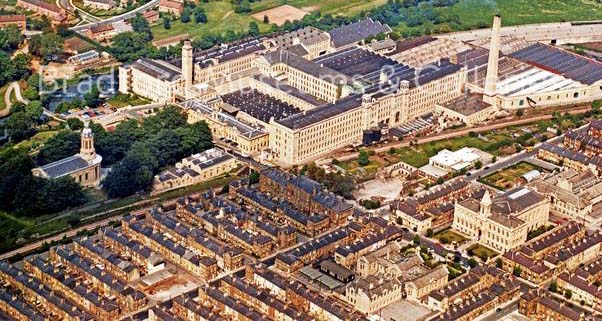
Aerial view of Salt’s Mill, 1973 (Bradford Museums and Galleries)
Amongst the first in the country, and the most outstanding in Bradford, is Salt’s Mill whose wide ranging contribution has led to Saltaire village becoming recognised as a UNESCO World Heritage Site. The original vision of entrepreneur Jonathan Silver (1949-1997) as a retail and leisure scheme, Salt’s Mill became a major cultural centre as it was progressed from Bradford Festival productions in the mill to the exclusive 1853 Hockney Gallery in the former spinning mill. Today it still houses the largest continuous exhibition of art works by the world famous English artist, David Hockney. You will also find there today a large book shop, antiques centre, craft and outdoor retail, cafes and restaurants and the Early Music Shop, (See Salt & Silver A Story of Hope by Jim Greenhalf, Bradford Libraries, 1998) Other mills have also been adapted to the benefit of the local community and encouragement of the Arts. Dalton Mill complex in Keighley, has also been refurbished in part and now has an arts centre and thriving Business Park. Melbourne Mills opposite Dalton, and like Salt’s Mill, has also contributed to the long tradition and progressive link between mills, music and Yorkshire bands. In the mid-19th Century this consisted of one of the first Yorkshire mill brass bands, Black Dyke Mills band being created, today there are pop and rock bands using recording and rehearsal studios as launched by “Jam on Top”. The mill also houses a radio station. https://www.keighleynews.co.uk/news/16158221.teenage-musicians-top-thanks-big-local/
Examples of smaller conversions also include Antiques at the Mill, Cullingworth; Ponden Mill B & B, Stanbury and Albion Mills business centre, Greengates.
Film and Television
Because of their impressive and historic architecture, and it has to be said because of some dereliction, Dalton Mill in Keighley and Saltaire’s mills and village have frequently been used as film locations. Dalton Mill most recently was filmed for the popular television series Peaky Blinders.
Dalton Mills, Keighley (Keighley Local Studies)
This availability of impressive film locations has contributed to Bradford marking its tenth anniversary in 2019 as the world’s first UNESCO City of Film and helped it to highlight how Bradford is leading the way in film literacy with a programme that is regarded as one of the best of its kind in the UK, promoting new ways of learning in primary schools (Emma Clayton, T&A, 12 Feb 2019 pp. 2-3). Bradford has now launched a unique FilmMakers 25 project to spot and nurture talent and to teach skills of film making to students across the District.
It’s good to see that Bradford District’s mills not only continue to contribute to the local economy but now also to the District’s cultural development and progress, with a key role to play in the development of some of the most advanced technology in the world. The regeneration of textile mills in the area is now a key part of the “Northern Powerhouse” agenda. This is a fine testimony to Bradford District’s diversity and spirit of hard work and enterprise as Bradford now makes its bid for the title of UK City of Culture 2025.
Bradford and Keighley Local Studies Libraries hold a wealth of books and archive records and resources if you would like to find out more about mills and the textile industry. Bradford is also fortunate to have its own Industrial Museum that hosts regular widely acclaimed exhibitions.
Belle Vue Studio collection: a unique collection based in Bradford’s Museums and Galleries. The studio became a popular destination in the 1950s for those coming to work in Bradford from other parts of the world. Digitisation of the photos is almost complete: https://www.migrationmuseum.org/tag/bradford-heritage-recording-unit/
Bradford’s Oral History collection is housed in Bradford Local Studies Library. It consists of 800 tape recorded interviews with local people’s memories including subject areas such as textiles, health, war, immigration to Bradford.
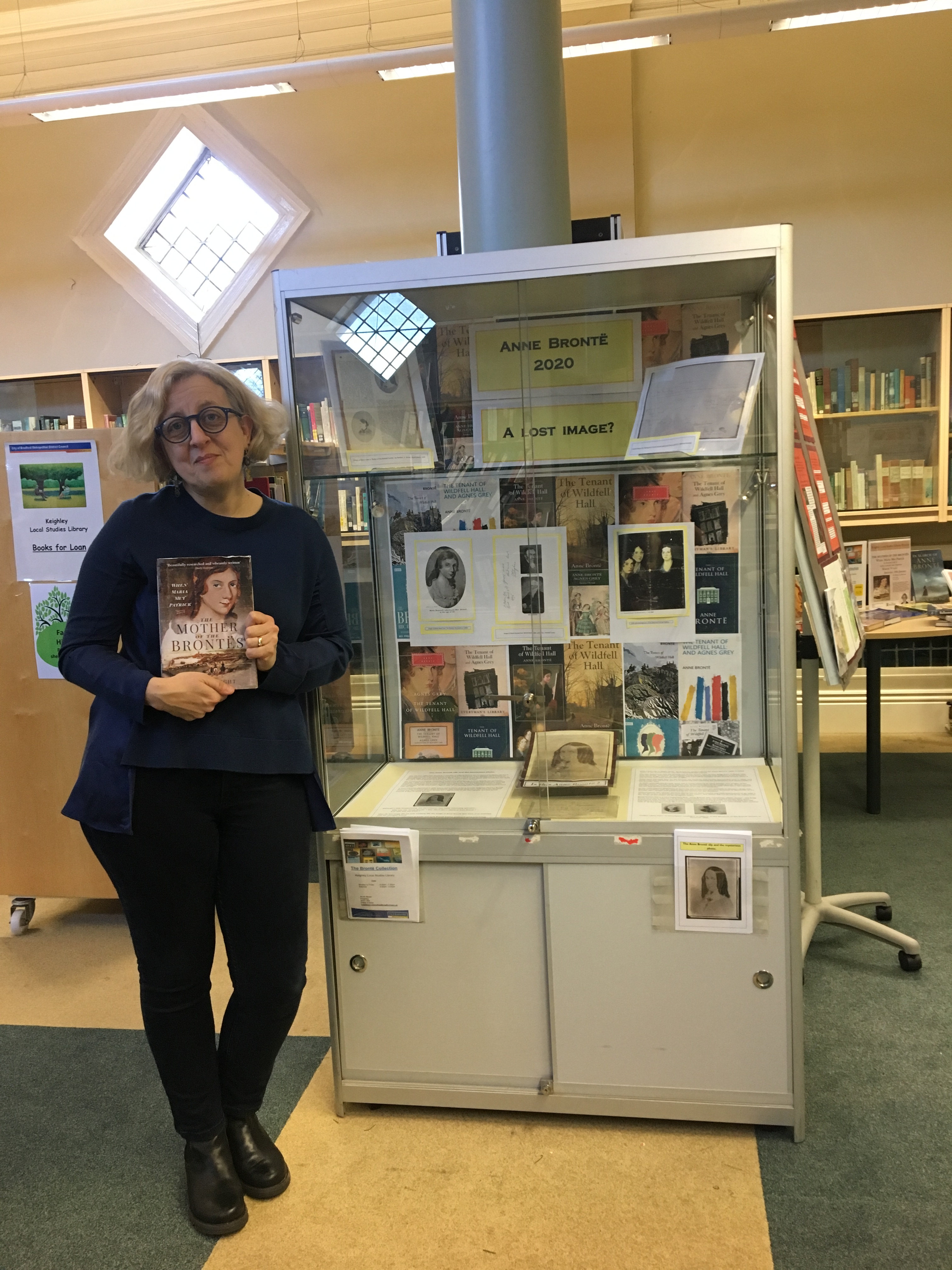
A large audience at Keighley Local Studies Library on Saturday 18th January was treated to a wonderful talk by author, journalist and screenwriter Sharon Wright about her recent publication: ‘The Mother of the Brontës.
It was a joy to welcome Sharon back to Keighley where she started her journalistic career at the Keighley News.
In the talk Sharon shared her journey of discoveries about the mysterious Mrs Brontë through her thorough original research which took her to many locations from Cornwall to West Yorkshire. The historical detail and the compassion for the Cornish gentlewoman who fell in love with the poor Irish curate Patrick Brontë and gave birth to 6 children was enlightening. The joy of finding new discoveries in the story of Maria Branwell was an inspiration.
‘The Mother of the Brontës: when Maria met Patrick’ is published by Pen and Sword, ISBN: 978-1526738486
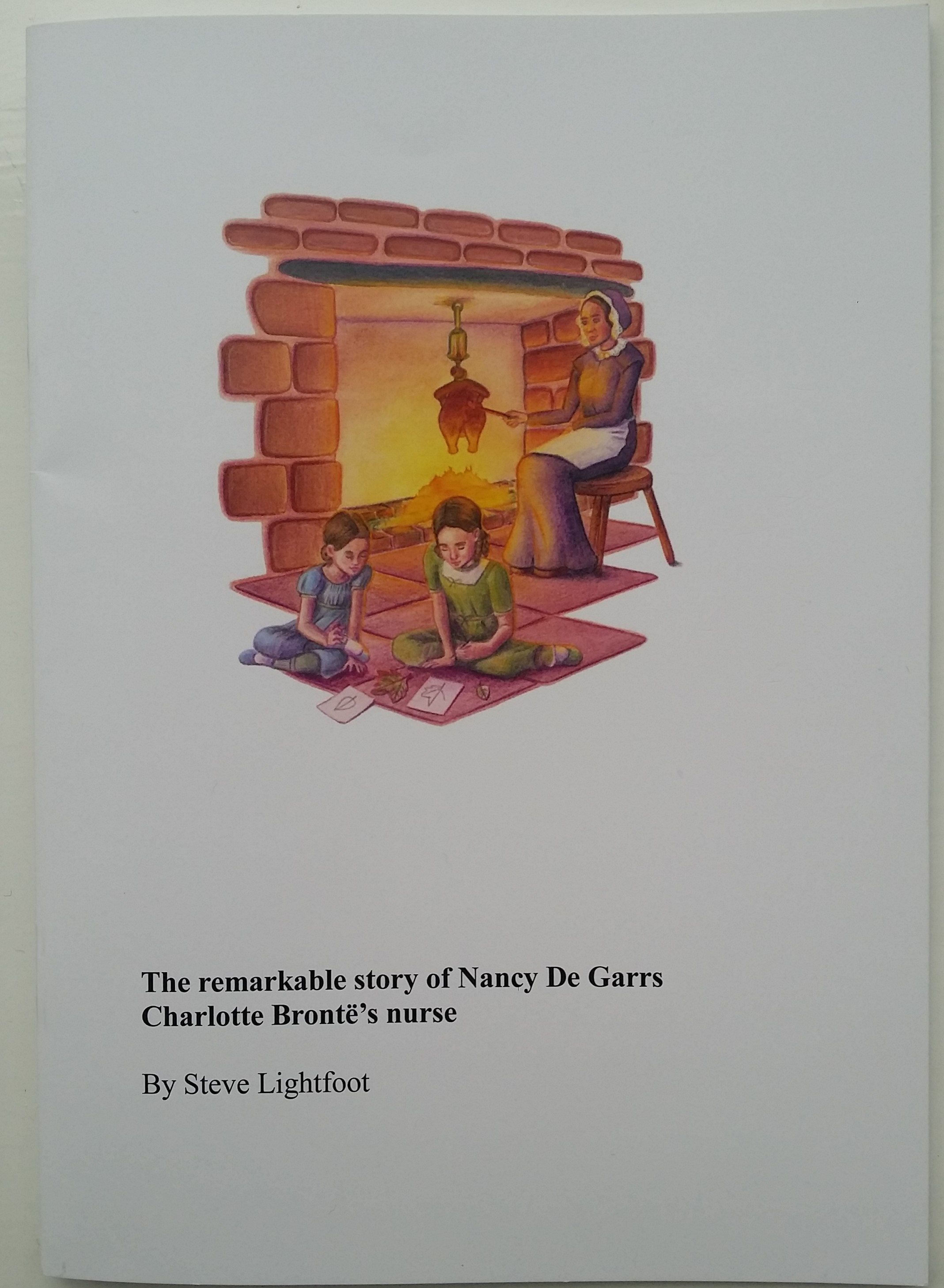
The article here was kindly sent in by Steve Lightfoot, Undercliffe Cemetery Volunteer and author of the recent publication ‘The remarkable story of Nancy De Garrs Charlotte Brontë’s nurse’
Recently the Undercliffe Cemetery Charity have been building a team of volunteers to research some of the more well known occupants of the cemetery. The first task was to install QR codes on the six listed monuments so that visitors to the cemetery could find out more about the people to which the monuments were dedicated. The volunteers then moved on to the so called Bradford Worthies, of which there are many. These were some of the most important people in Bradford’s history, including more than twenty of Bradford’s Mayors, who are buried at the cemetery. As new research is completed the information is posted on the Undercliffe Cemetery website under the history section. So far approximately thirty of the Worthies have been researched. Some of the grave sites have magnificent monuments but others are unmarked. Regular tours of the cemetery take place to raise funds for maintenance. The volunteer guides take visitors to some of the most interesting grave sites to tell the story of Bradford’s history and the people who made Bradford the place that it is. At one time of course it was the wool capital of the world.
During the research the location of Nancy De Garrs grave was finally found, underneath some undergrowth, and unmarked. Nancy was Charlotte Brontë’s nurse, she served the Brontës for eight years and helped to bring the Brontë children up at Thornton and Haworth. It was known that Nancy was at Undercliffe but nobody knew where. She died in the Bradford workhouse and could have well have ended up in a paupers grave. After some research it was found she was buried as Nancy Malone. The records showed the plot number and the maps showed the location of this, but who were the other people buried with her, Mary Stocks, James Scholey and John William Scholey. We just had to find out, and why was the grave unmarked? The last twelve months have revealed some fascinating detail about the life of Nancy De Garrs. Having found just how important Nancy was in the life of the Brontës the Charity have decided to launch an appeal for funds for a headstone to be erected and for the area to be made safe. Future visitors to the cemetery will be able to find out more about Nancy and her life with the Brontës and after. A booklet has been compiled and is currently being sold in bookshops in Haworth, in the tourist office in Bradford and in other locations in Thornton and elsewhere. All money raised will go towards paying for the work required to get Nancy a headstone and to make the area safe for visitors. So far we have had good publicity from the Telegraph and Argus, the Sunday Express and the Times but more funds are needed. Donations can be made through the Undercliffe Cemetery website or by purchasing one of the booklets. A provisional date has been fixed for the 9th May 2020, by which time, providing enough funds can be raised, the stone will be in place and a service will be conducted. See website for details of forthcoming events.
Steve Lightfoot
Undercliffe Cemetery Volunteer
A Review of the Book
The Remarkable Story of Nancy de Garrs, Charlotte Brontë’s Nurse. By Steve Lightfoot. 2019. 32 pages.
Nancy Garrs was born in 1803, the oldest in a family of twelve children. Her father, Richard De Garrs, was a shoemaker of French descent who had a shop in Bradford. Nancy and a younger sister Sarah (b. 1806) went to the Bradford Industrial School where they learnt housekeeping and childcare skills. In 1816, aged 12, Nancy went to work in the Brontë’s Thornton home to look after the three young Brontë children. Three more children later, sister Sarah came to assist, with Nancy promoted to be cook and assistant housekeeper. In 1820 the Garrs twosome accompanied the Brontë family in their move to Haworth. Here they experienced the sad early years there and the coming of ‘Aunt Branwell’ (‘cross like and fault findin’). After serving the Brontës for eight years, Nancy left in late 1824, shortly followed by Sarah, when the oldest Brontë children went to Cowan Bridge School.
Nancy then worked as a dressmaker, marrying John Wainwright in 1830. They had two children, Emily Jane and Hannah. Significantly, Nancy signed her wedding banns with ‘her mark’ (which I found a surprise, Nancy having lived in such a literary household). Husband John, a wool comber, later an engine tenter, died after a horrific accident at work in one of Titus Salt’s Bradford mills. He was buried in the Dr Garrs family plot in Bradford where four of Nancy’s sisters were buried. The 1841 census shows Nancy and a daughter living with sister Sarah and her children, just a few doors away from their sister, Martha, who had married Benjamin Hewitt. Clearly the families were supporting each other, with their parents also nearby. In 1844, Nancy married Irishman John Malone, a warehouseman. After John’s death in 1881, Nancy fell into poverty and three years later she was taken in at the Bradford Workhouse, where she died in 1886 aged 82.
Of her years with the Brontë family, author Steven Lightfoot highlights a number of incidents and myths – of Mrs Gaskeill’s hurtful remarks in her Life of Charlotte Brontë; of the confusing comment of Patrick’s about Nancy leaving the parsonage to marry a ‘Pat’ – not in 1824 she didn’t! And there is new information about the Brontë mementoes that Nancy had, of how they were displayed in a public bazaar in 1885, acquired by John Widdop, a son of Mary, another of Nancy’s sisters, and how they may have been sold to alleviate Nancy’s penury. Other members of the Dr Garrs family are briefly featured, notably her brother Henry, and sisters Ruth (who married John Binns) and sister Sarah, who married William Newsome in 1829, had five children, and eventually settled in Iowa, USA.
This focus on Nancy and her family circle does a good job of widening our knowledge of the social context of the time.
Bob Duckett
Past Editor BrontëStudies and The Bradford Antiquary.