
Bradford Firsts – Blog Series No. 1
Bradford and Its Children: The History of School Meals
Bradford Firsts – Blog Series No. 1
As part of the Bradford Heritage Festival, running from 13–19 July 2026, Bradford Local Studies is partnering with West Yorkshire Archives and Bradford Heritage Connection to launch a new series exploring Bradford Firsts—innovations and social movements that began right here in the city.
With this year’s Festival theme focusing on Education, our first blog looks at something that has shaped childhood for generations: the creation of school meals. This story begins in Bradford, with remarkable civic effort, compassion, and community action that would influence national policy.
A Bradford Community Cookbook – We Need Your Recipes!
To celebrate the diverse heritage that makes Bradford the most culturally rich city in Yorkshire and the Humber, we are creating a Bradford Community Cookbook.
We’re inviting you to share:
- a treasured family recipe,
- a favourite school pudding, or
- a dish passed down through generations.
The first 50 submissions will be compiled into a published community cookbook celebrating Bradford’s vibrant food heritage.
📧 Send your recipes to: local.studies@bradford.gov.uk
📌 Email subject line: Community Cookbook
The Birth of the Cinderella Club (1890)
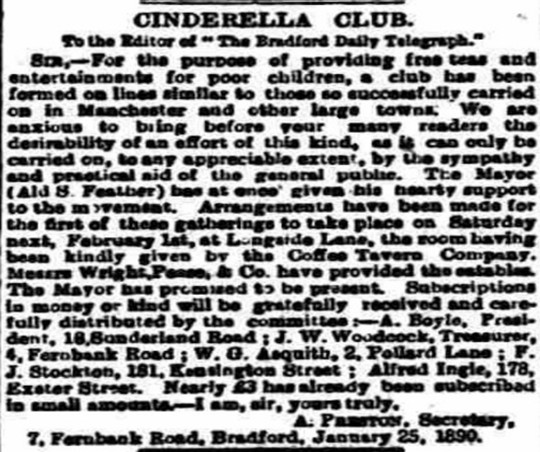
136 years ago, Bradford’s civic leaders recognised an urgent social issue: thousands of children in the city were undernourished, and in many cases, starving. In January 1890, a committee of prominent citizens—Mr A. Boyle (President), Mr Arthur Perston (Secretary), Mr J.W. Woodcock (Treasurer), and Messrs W.G. Asquith, F.J. Stockton, and A. Ingle—established the Cinderella Club.
The idea had originated with Robert Blatchford, co‑founder and editor of the Clarion newspaper in Manchester, who had already inspired the creation of similar clubs in his own district.
On Tuesday 28 January 1890, this advertisement appeared in the Bradford Daily Telegraph:
(1) 
(2) 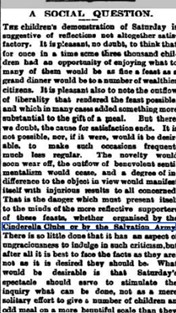
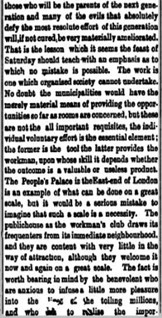
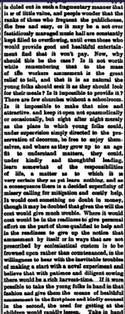
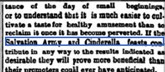 Only two weeks later, on 11 February 1890, the Telegraph published a lengthy commentary titled “A Social Question”, discussing the work of both the Cinderella Club and the Salvation Army.
At first glance, the writer appears sceptical of charitable feeding schemes; however, their real concern lay in the temporary nature of such efforts and whether the wealthier classes would have the commitment to maintain long‑term support.


Early Work and Early Impact
Despite these concerns, the Cinderella Club quickly became a major force in the city. In the first four months, the club provided weekly teas and entertainments to nearly 5,000 children.
On Monday 24 February 1890, the Third Weekly Treat took place, with 1,000 children in attendance—joined by Sir Henry Mitchell and Mr James Hanson, who both addressed the gathering.
The children were served a nourishing meal consisting of:
- a meat sandwich
- a pint of tea
- a sweet bun
- an orange
followed by an evening of entertainment.
(3

A distinctive feature of the Cinderella Club was its refusal to associate with any political or religious organisation. Its founders believed that poverty relief should transcend sectarian and party lines—an unusually progressive stance for the era.
By 1891, the Club expanded its support to include clothing. That summer, Mrs Titus Salt, Alderman William C. Lupton, and the Lord Mayor, Mr Jacob Moser, introduced countryside excursions for children. In 1898, Sir William and Lady Priestley funded special outings for widows as well.
Between 1890 and 1901, the Bradford Daily Telegraph ran the Telegraph Cinderella Fund, raising £4,842 18s. 1d. to support this work.
By 1902–3, the Club had provided:
- 110,340 meals
- 5,116 teas and entertainments
- 1,018 Christmas dinners
These were extraordinary achievements driven by community generosity and commitment.
The Cinderella Club and the Education Committee
A turning point came in October 1904, when Frederick Jowett of the Independent Labour Party and a member of the Bradford Education Committee, supported by social reformer Margaret McMillan, asked the Club to compile a report on child hunger.
This report estimated that around 3,000 children in Bradford were experiencing hunger severe enough to affect their health and education.
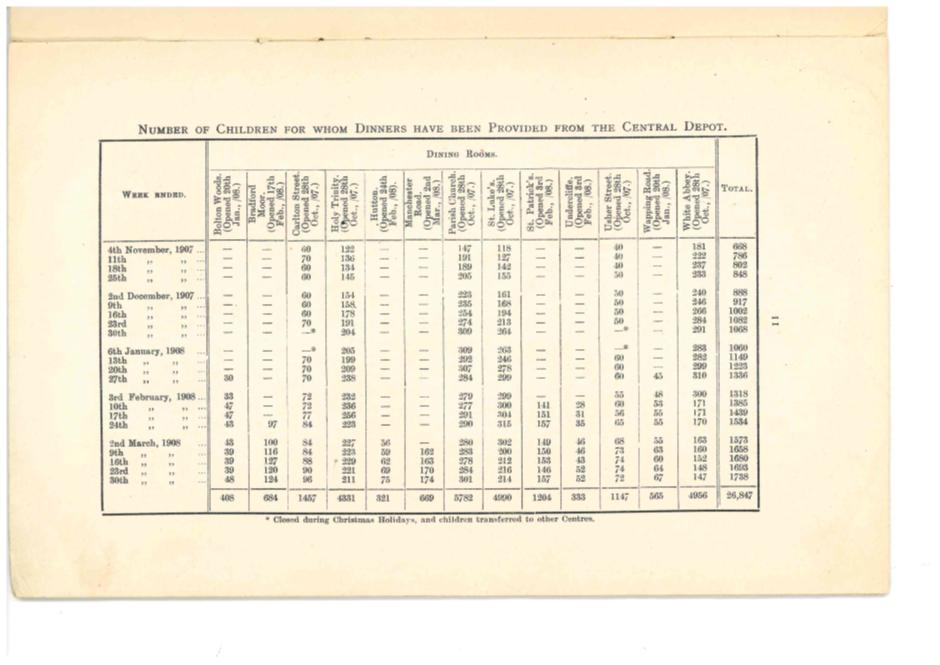
The Education Committee asked the Cinderella Club to begin providing meals for the most urgent cases. Within a week, meals were being supplied to 34 schools, prepared initially at Green Lane School and served by teachers.
This arrangement continued until July 1905, when Bradford Council took over formal provision under the new Education (Provision of Meals) Act 1906.
Link to the Act: https://www.legislation.gov.uk/ukpga/Edw7/6/57/enacted
Below is an extract from the Committee’s report:
(5)
What the Children Ate: 1904–5 Meal Schedule
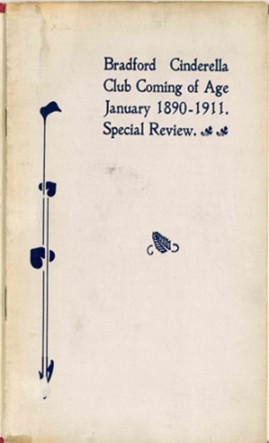
From The Bradford Cinderella Club: Coming of Age, 1890–1911 (Willie Gill), the menu for the winter of 1904–5 included:
- Mondays & Wednesdays – a pint of nourishing lentil soup (meat stock with lentils and vegetables), 2–3 oz of bread, followed by one or more plates of rice pudding.
- Tuesdays & Thursdays – savoury meat hash with potatoes and onions, bread, and rice pudding.
- Fridays – pea soup (prepared as above), bread, and rice pudding.
- Saturdays – an evening meal of tea, sandwiches and buns.
The simplicity of the meals belies their importance: they were often the only substantial food children received all day.
The Only Cinderella Club Still Operating
Remarkably, the Bradford Cinderella Club is the only one still in operation today, continuing its mission to support the city’s children more than 130 years after its founding.
You can learn more and donate here:
🔗 https://cinderellaclub.org/
Looking Ahead: The Recipes Behind the Meals
This history aligns with the meals later formalised under the 1906 Provision of Meals Act.
Bradford Local Studies holds an original 1906 school meal recipe booklet, compiled by Marion E. Cuff, Superintendent of Domestic Subjects.
(6)
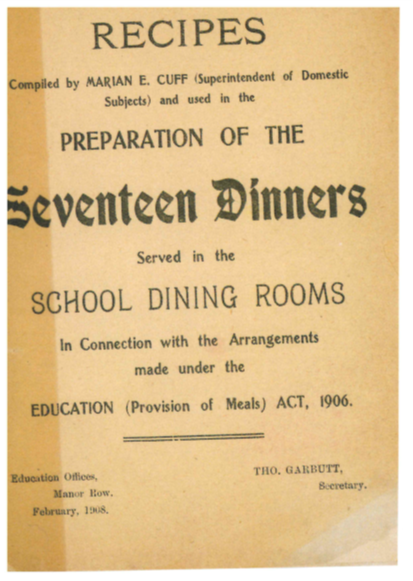
In our next blog, we’ll explore some of these early recipes, attempt to recreate a few, and discuss the remarkable logistics of preparing meals for more than 3,000 children across the Bradford district.
Send Us Your Recipes!
Help us celebrate Bradford’s diverse food heritage.
📧 local.studies@bradford.gov.uk
📌 Subject: Community Cookbook
Written by Vicki Warner
Discover more from Bradford and District Local Studies
Subscribe to get the latest posts sent to your email.
